
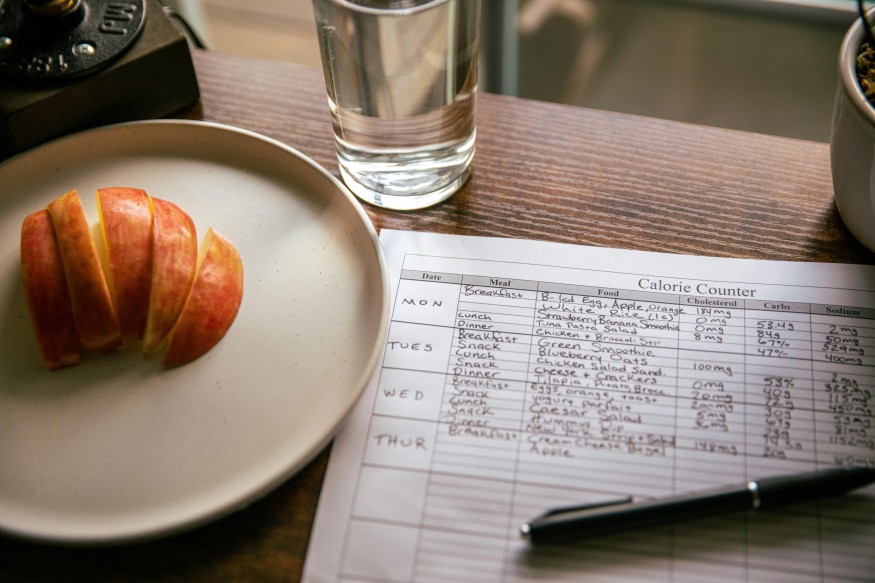
Weight loss advice online can feel overwhelming. Some diets focus on cutting carbs, while others promote fasting schedules or expensive supplements. Despite the trends, most registered dietitians agree that fat loss ultimately comes down to one key principle: a calorie deficit diet.
What Is a Calorie Deficit?
A calorie deficit happens when the body burns more calories than it consumes. Over time, this encourages the body to use stored fat for energy. While the concept sounds simple, experts say healthy fat loss depends on balance, consistency, and sustainable weight loss habits rather than extreme restriction.
According to dietitians featured in Healthline, healthy calorie deficit tips should focus on nutrient-dense foods, realistic eating habits, and long-term lifestyle changes instead of crash dieting.
Calories are units of energy the body uses for:
- Breathing
- Digestion
- Physical activity
- Exercise
- Organ function
A calorie deficit occurs when calorie intake is lower than calorie expenditure.
For example:
- A person burns 2,200 calories daily.
- They consume 1,800 calories.
- The result is a 400-calorie deficit.
Over time, the body may begin using stored fat for energy, which can contribute to weight loss.
The Mayo Clinic explains that moderate calorie reductions are generally easier to maintain than highly restrictive diets.
How Fat Loss Happens During a Calorie Deficit Diet
When calorie intake drops below the body's energy needs, stored glycogen and body fat are used as fuel. However, fat loss is rarely perfectly linear.
Daily weight changes can also be influenced by:
- Water retention
- Sodium intake
- Stress
- Hormonal fluctuations
- Digestion
Because of this, registered dietitians often recommend focusing on long-term progress rather than daily scale changes.
The National Institutes of Health also notes that metabolism can adapt during long periods of dieting, which is why gradual and sustainable weight loss habits are usually more effective over time.
Why Extreme Dieting Often Fails
Many people assume eating as little as possible will speed up fat loss. In reality, aggressive dieting can create several problems.
Increased Hunger
Severe calorie restriction may increase cravings and hunger hormones.
Muscle Loss
Without enough protein and resistance training, the body may lose muscle along with fat.
Low Energy Levels
Very low-calorie diets can reduce energy, focus, and workout performance.
Higher Risk of Weight Regain
Strict diets are difficult to maintain, which can lead to overeating later.
Healthline dietitians emphasize that healthy calorie deficit tips should support consistency rather than punishment.
Healthy Calorie Deficit Tips From Dietitians
1. Prioritize Protein
Protein helps:
- Preserve muscle mass
- Improve fullness
- Support recovery
Examples include:
- Eggs
- Chicken
- Fish
- Greek yogurt
- Beans
- Tofu
Many experts recommend including protein in every meal.
2. Eat More Fiber
Fiber slows digestion and helps people feel fuller longer.
High-fiber foods include:
- Vegetables
- Fruits
- Oats
- Whole grains
- Beans
According to Harvard T.H. Chan School of Public Health, fiber-rich diets may support healthier weight management.
3. Choose High-Volume Foods
Low-calorie, high-volume foods can help reduce hunger during a calorie deficit diet.
Examples:
- Leafy greens
- Cucumbers
- Broth-based soups
- Watermelon
- Berries
- Air-popped popcorn
4. Watch Liquid Calories
Sugary drinks and specialty coffees can quietly increase calorie intake.
Better options include:
- Water
- Sparkling water
- Unsweetened tea
- Black coffee
5. Strength Training Matters
Resistance training helps:
- Preserve muscle mass
- Support metabolism
- Improve body composition
Many dietitians recommend combining strength training with moderate cardio and balanced nutrition.
Common Mistakes That Can Slow Fat Loss
Even during a calorie deficit diet, certain habits may reduce progress.
1. Underestimating Portions
Cooking oils, sauces, and snacks often add more calories than expected.
2. Weekend Overeating
Extra calories on weekends can offset weekday deficits.
3. Poor Sleep
Lack of sleep may increase hunger and cravings.
4. Stress Eating
Stress can affect appetite and eating behaviors.
The NHS also highlights that sustainable weight loss habits are usually more effective than short-term crash diets.
Best Foods for a Calorie Deficit Diet
Registered dietitians often recommend nutrient-dense foods that improve fullness and nutrition quality.
Lean Proteins
- Chicken
- Fish
- Eggs
- Tofu
Fiber-Rich Carbohydrates
- Oats
- Brown rice
- Sweet potatoes
- Whole grains
Healthy Fats
- Nuts
- Avocados
- Olive oil
- Seeds
Fruits and Vegetables
- Apples
- Berries
- Spinach
- Broccoli
Balanced meals containing protein, fiber, and healthy fats may make a calorie deficit easier to maintain.
Signs a Calorie Deficit Is Too Aggressive
A calorie deficit should feel manageable, not extreme.
Warning signs may include:
- Constant fatigue
- Frequent cravings
- Dizziness
- Mood changes
- Muscle weakness
- Poor workout recovery
If these symptoms appear regularly, experts often recommend reassessing calorie intake and overall nutrition.
Why Sustainable Weight Loss Habits Matter Most
A calorie deficit diet remains one of the most effective evidence-based approaches for fat loss, but long-term success usually depends on consistency rather than extreme restriction.
Registered dietitians often encourage:
- Balanced meals
- Regular movement
- Adequate sleep
- Stress management
- Flexible eating habits
Healthy calorie deficit tips are designed to support realistic progress instead of quick fixes. Small habits repeated consistently may have a bigger impact on long-term fat loss than aggressive dieting strategies.
Frequently Asked Questions
1. How much of a calorie deficit is safe for weight loss?
Many experts recommend a moderate deficit of around 300 to 500 calories daily for gradual and sustainable fat loss.
2. Can someone lose fat without exercise?
Yes, fat loss can happen through a calorie deficit alone, though exercise may help preserve muscle and improve overall health.
3. What foods are best during a calorie deficit diet?
High-protein and high-fiber foods like eggs, vegetables, oats, Greek yogurt, and lean meats are often recommended.
4. Why does weight loss slow down over time?
Plateaus can happen because of metabolic adaptation, reduced activity, stress, poor sleep, or inaccurate calorie tracking.