
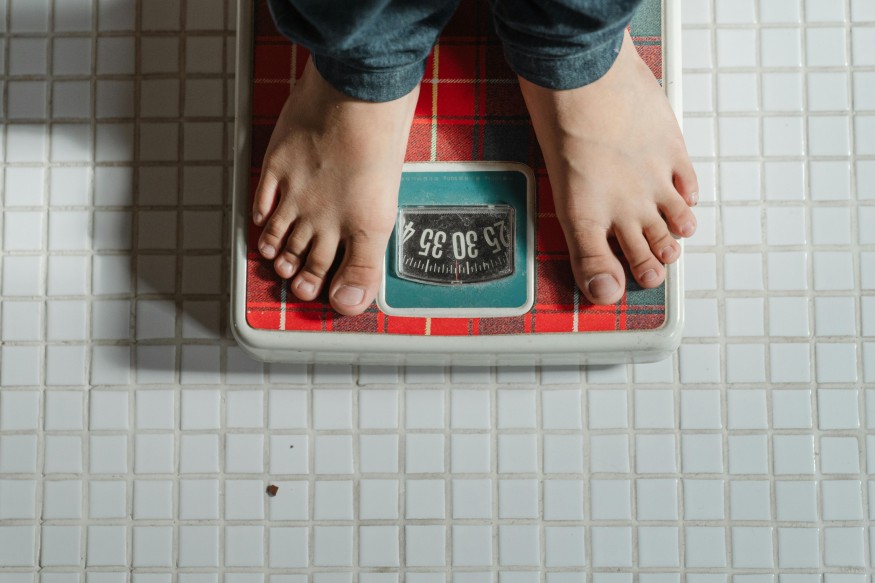
Many people start weight loss journeys with strict meal plans, intense workouts, or unrealistic expectations. While those methods may produce short-term results for some individuals, they can also become difficult to maintain over time. That is why health experts increasingly focus on smaller behavioral changes that fit naturally into daily life.
Microhabits for weight loss are tiny, manageable actions repeated consistently. These habits may seem small on their own, but over time they can influence eating patterns, physical activity, sleep quality, and overall lifestyle choices. Instead of aiming for perfection, the goal is to create routines that feel sustainable.
1. Drink Water Before Meals
One of the simplest healthy weight loss habits involves drinking water before eating. Some people confuse thirst with hunger, which may lead to unnecessary snacking or larger portions during meals.
According to the Mayo Clinic, long-term weight management is often more successful when people adopt realistic habits they can maintain consistently. Similarly, experts from the Centers for Disease Control and Prevention have emphasized gradual lifestyle changes rather than rapid dieting approaches.
Drinking water before meals may help:
- Increase feelings of fullness
- Reduce sugary beverage intake
- Encourage mindful eating habits
- Support hydration throughout the day
A reusable water bottle placed nearby can serve as a visual reminder. Some people also add lemon, cucumber, or berries for flavor without adding excess calories.
2. Add More Protein to Breakfast
Breakfast choices can influence hunger and energy levels throughout the day. Meals rich in protein may help people stay full longer and reduce cravings later in the afternoon.
Examples of protein-rich breakfasts include:
- Greek yogurt with fruit
- Eggs with vegetables
- Oatmeal topped with nuts
- Cottage cheese and berries
- Protein smoothies
Adding protein is considered one of the more sustainable weight loss tips because it focuses on balanced nutrition rather than restrictive dieting.
3. Walk for 10 Minutes After Meals
Weight loss does not always require long gym sessions. Small habits to lose weight often begin with increasing daily movement in realistic ways.
Short walks after meals may support:
- Digestion
- Blood sugar control
- Daily calorie burn
- Energy levels
Walking after dinner can also become a relaxing evening routine. Even a quick 10-minute walk several times per day may add up over time. The Cleveland Clinic has also discussed the importance of regular movement for overall metabolic health and weight management.
4. Eat Without Screens or Distractions
Distracted eating is common in modern life. Many people eat while watching television, scrolling on phones, or working at desks. This can make it harder to recognize fullness cues.
Mindful eating may help people:
- Slow down during meals
- Notice hunger and fullness signals
- Reduce overeating
- Enjoy food more intentionally
This microhabit does not require perfect mindfulness at every meal. Even one distraction-free meal per day may help build greater awareness around eating habits.
5. Use Smaller Plates and Bowls
Portion sizes can strongly influence how much people eat. Larger plates may encourage larger servings without individuals realizing it.
Using smaller dishes may help with:
- Portion awareness
- Reduced overeating
- Better meal balance
- More mindful servings
Other helpful strategies include:
- Serving food directly onto plates instead of eating from containers
- Waiting a few minutes before taking second portions
- Filling half the plate with vegetables first
6. Keep Healthy Snacks Easy to Reach
The food environment often shapes daily choices. People are more likely to eat foods that are visible and convenient. Keeping healthy snacks nearby may encourage better decisions during busy days. Helpful options include:
- Fresh fruit
- Mixed nuts
- String cheese
- Plain popcorn
- Hummus with vegetables
- Hard-boiled eggs
At the same time, storing highly processed snacks out of immediate sight may reduce mindless eating habits.
7. Sleep 30 Minutes Earlier
Sleep plays an important role in weight management. Poor sleep may affect hormones related to hunger, cravings, and appetite regulation.
Lack of sleep may also:
- Increase cravings for sugary foods
- Reduce motivation to exercise
- Lead to late-night snacking
- Affect mood and energy levels
Going to bed slightly earlier can become one of the most effective healthy weight loss habits over time. Improving sleep quality may also support better daily decision-making overall.
Read Also: Tapeworm Infection: Common Tapeworm Symptoms, Causes, and Effective Tapeworm Treatment Explained
8. Pause Before Emotional Snacking
Stress, boredom, and emotions can influence eating behaviors. Emotional eating is common, especially during stressful periods or busy schedules.
Before grabbing a snack, some people find it helpful to ask:
- Am I physically hungry?
- Did I recently eat?
- Am I stressed or bored?
- Would another activity help instead?
Alternative coping habits may include:
- Taking a short walk
- Stretching
- Journaling
- Listening to music
- Calling a friend
This short pause creates more awareness around eating patterns without promoting guilt around food.
9. Track One Habit Instead of Everything
Tracking every calorie or workout can feel overwhelming for many people. Focusing on one small behavior at a time may feel more realistic and easier to maintain.
Examples of trackable habits include:
- Drinking more water daily
- Walking after meals
- Eating vegetables with lunch
- Sleeping earlier
- Reducing sugary drinks
This gradual approach helps build confidence and consistency without creating unnecessary pressure.
Why Microhabits May Work Better Than Extreme Diets
Many restrictive diets focus on short-term results. While some may initially lose weight quickly, highly restrictive approaches can become difficult to maintain long term.
Microhabits for weight loss focus more on sustainable routines than temporary perfection. Small consistent changes often feel less overwhelming and may support healthier long-term behaviors. Some benefits of small habits include:
- Easier consistency
- Less burnout
- More flexibility
- Better long-term sustainability
- Reduced feelings of restriction
Weight management often becomes more manageable when healthy behaviors fit naturally into everyday routines.
Frequently Asked Questions
1. What are microhabits for weight loss?
Microhabits for weight loss are small daily actions that support healthier behaviors over time. Examples include drinking water before meals, walking after eating, or improving sleep habits.
2. Can small habits really help with weight loss?
Yes. Small consistent changes may gradually influence calorie intake, movement levels, sleep quality, and overall lifestyle habits. Over time, these changes can support healthy weight management.
3. What are some easy healthy weight loss habits to start with?
Simple habits include drinking more water, eating more protein at breakfast, walking daily, sleeping earlier, and reducing distracted eating.