
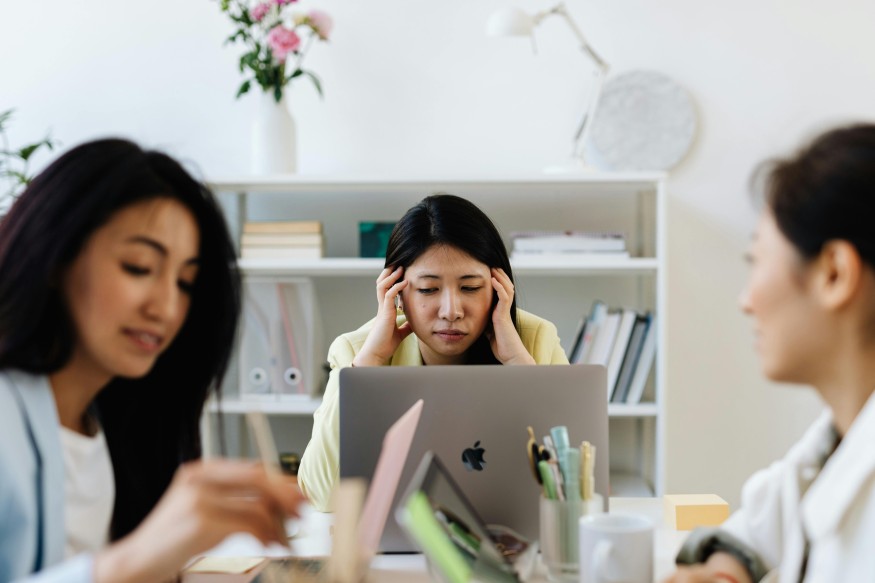
ADHD was mostly associated with hyperactive young boys struggling in classrooms. That image shaped public understanding, medical research, and even diagnostic criteria. As a result, many women spent years without realizing their chronic overwhelm, emotional exhaustion, forgetfulness, and difficulty focusing could be connected to attention deficit hyperactivity disorder.
Today, awareness around ADHD in women is growing rapidly. Mental health experts are increasingly recognizing that women often experience ADHD differently than men. Instead of outward hyperactivity, symptoms may appear as internal restlessness, anxiety, perfectionism, or constant mental overload. This shift in understanding is helping more women identify the signs of ADHD in adult women and seek proper support after years of confusion or self-blame.
Why ADHD in Women Is Often Misunderstood
One of the biggest reasons ADHD in women goes unnoticed is because symptoms are frequently less disruptive on the surface. Girls are often socialized to appear organized, calm, and emotionally controlled, which can lead them to hide their struggles more effectively.
Historically, ADHD research focused heavily on boys with hyperactive behavior. Quiet girls who daydreamed, struggled internally, or had emotional regulation difficulties were often overlooked.
Common experiences among women with ADHD include:
- Losing focus during conversations
- Forgetting appointments or tasks
- Feeling mentally exhausted by routine responsibilities
- Difficulty starting or finishing projects
- Constant procrastination despite good intentions
- Emotional sensitivity and rejection sensitivity
- Chronic stress from trying to stay organized
Many women also become skilled at overcompensating. They may rely on perfectionism, endless to-do lists, or excessive preparation to avoid mistakes. While these strategies can temporarily hide symptoms, they often create long-term burnout.
According to reports discussed by Medical News Today, many women are first diagnosed later in adulthood after seeking help for anxiety, depression, or emotional exhaustion rather than ADHD itself.
Common Signs of ADHD in Adult Women
The signs of ADHD in adult women can look very different from the stereotypes people commonly associate with the condition. Hyperactivity may exist internally instead of physically.
Some women describe their thoughts as constantly racing, making it difficult to relax mentally even during quiet moments. Common symptoms may include:
- Difficulty concentrating on tasks that feel repetitive
- Constant forgetfulness and misplacing items
- Trouble managing schedules or deadlines
- Emotional overwhelm during stressful situations
- Interrupting conversations unintentionally
- Struggling to maintain routines
- Feeling mentally drained by daily responsibilities
- Starting multiple projects without finishing them
- Sensitivity to criticism or rejection
- Feeling disorganized despite trying very hard
Women with ADHD may also experience "hyperfocus," where they become deeply absorbed in activities they find interesting while struggling to focus on less stimulating tasks.
This inconsistency often confuses both the individual and the people around them. Others may assume they are simply careless or lazy, even though ADHD is linked to executive functioning challenges in the brain.
ADHD Masking in Women and the Pressure to Appear 'Fine'
ADHD masking in women has become an increasingly important topic in mental health discussions. Masking refers to hiding symptoms or developing coping behaviors to appear more socially acceptable or productive.
Many women begin masking from a young age because they fear criticism or judgment.
Examples of ADHD masking in women include:
- Double-checking everything repeatedly
- Over-preparing for meetings or social situations
- Staying silent in conversations to avoid interrupting
- Pretending to understand instructions they missed
- Working extra hours to compensate for focus difficulties
- Copying organizational habits from others
Masking may help women succeed professionally or socially, but it can also become emotionally exhausting. Maintaining a constant performance often leads to anxiety, burnout, and feelings of isolation.
Mental health specialists interviewed by Healthline have noted that long-term masking can make ADHD harder to diagnose because symptoms remain hidden beneath coping behaviors.
Over time, many women feel as though they are constantly trying to "keep up" while privately struggling with mental fatigue.
The Emotional Impact of Undiagnosed ADHD
Living with undiagnosed ADHD can affect nearly every aspect of life, including relationships, careers, self-esteem, and emotional health. Many women spend years believing their struggles are personal failures instead of neurological differences. Common emotional effects include:
- Chronic guilt
- Low self-confidence
- Anxiety and overthinking
- Depression
- Burnout
- Feelings of underachievement
Emotional dysregulation is also common among women with ADHD. Small frustrations may feel overwhelming, and criticism can trigger intense emotional reactions. Some women also experience rejection sensitive dysphoria, a strong emotional response to perceived rejection or criticism. Research from the National Institute of Mental Healthhas shown that ADHD frequently overlaps with anxiety and mood-related disorders, which can further complicate diagnosis.
Hormones and ADHD Symptoms in Women
Hormonal changes may significantly influence ADHD symptoms throughout different stages of life. Estrogen affects dopamine activity in the brain, and dopamine plays a key role in attention, motivation, and executive functioning. Women may notice symptom changes during:
- Puberty
- Menstrual cycles
- Pregnancy
- Postpartum recovery
- Perimenopause
- Menopause
Some women report worsening concentration problems, emotional sensitivity, or forgetfulness during hormonal fluctuations.
This hormonal connection is one reason why ADHD symptoms in women can sometimes appear inconsistent or intensify later in adulthood.
Breaking the Stereotypes Around ADHD
One of the most harmful misconceptions about ADHD is the idea that it only affects children or hyperactive individuals. In reality, ADHD can continue into adulthood and often presents differently in women.
Another stereotype is that successful women cannot have ADHD. However, many women with ADHD perform well academically or professionally while struggling privately with organization, emotional regulation, and mental exhaustion.
ADHD also does not mean someone lacks intelligence or ambition. In fact, many women with ADHD develop strengths such as:
- Creativity
- Adaptability
- Problem-solving abilities
- Strong intuition
- High energy during passionate interests
At the same time, these strengths do not erase the challenges that come with executive dysfunction and emotional overload. Better awareness can help reduce stigma and encourage more accurate diagnosis and support.
Finding Support and Getting Diagnosed
A proper ADHD evaluation often includes interviews, behavioral history, symptom assessments, and discussions about daily functioning.
Women seeking support may benefit from:
- Tracking symptoms and patterns
- Learning about inattentive ADHD
- Speaking with ADHD-informed professionals
- Exploring therapy or coaching options
- Building realistic organizational systems
Treatment approaches may include medication, therapy, lifestyle adjustments, and stress management strategies.
For many women, receiving a diagnosis later in life brings a sense of clarity rather than limitation. Understanding how ADHD affects attention, emotions, and executive functioning can help replace years of shame with self-awareness and support.
Why Awareness Around ADHD in Women Matters
Awareness about ADHD in women continues to grow as more women share personal experiences about masking, burnout, and late diagnoses. These conversations are helping challenge outdated stereotypes that once prevented many women from recognizing their symptoms.
Understanding ADHD masking in women and the signs of ADHD in adult women can help more people seek support earlier rather than silently struggling for years.
ADHD does not always look loud or disruptive. Sometimes it appears as perfectionism, emotional exhaustion, forgotten deadlines, or the constant pressure to appear "put together" while internally feeling overwhelmed.
Frequently Asked Questions
1. What are the most common signs of ADHD in adult women?
Common signs include forgetfulness, emotional overwhelm, chronic disorganization, difficulty focusing, procrastination, and mental exhaustion from daily responsibilities.
2. Why is ADHD often diagnosed later in women?
Women often develop coping strategies that hide symptoms. Many are initially misdiagnosed with anxiety or depression before ADHD is recognized.
3. What is ADHD masking in women?
ADHD masking refers to behaviors used to hide symptoms, such as over-preparing, perfectionism, excessive organization, or suppressing emotional reactions.