
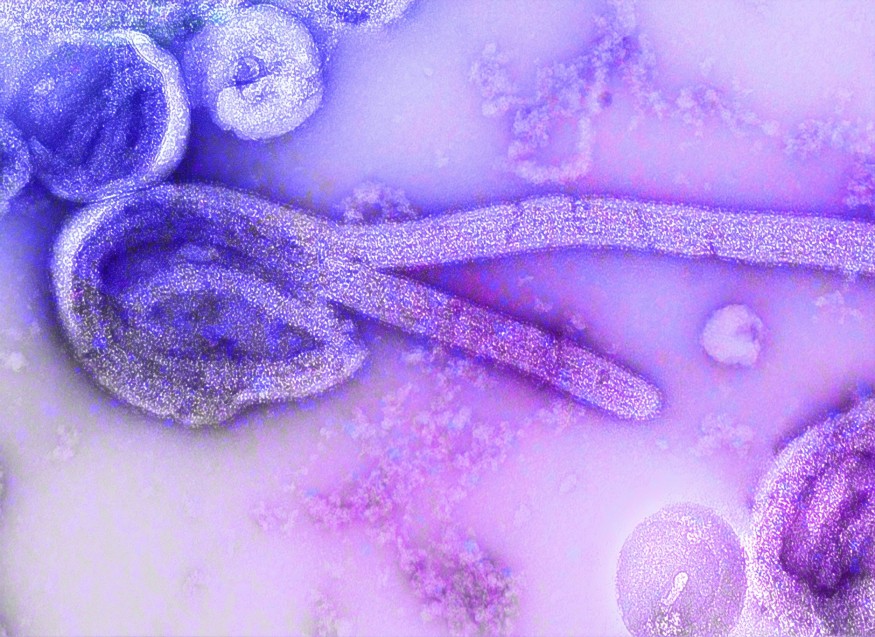
A tapeworm infection is a parasitic disease caused by flatworms that live inside the human body, usually in the intestines. These parasites survive by absorbing nutrients from the host, sometimes remaining undetected for months or even years. Although modern sanitation has reduced cases in many places, tapeworm infections continue to affect millions of people worldwide through contaminated food, poor hygiene, and undercooked meat or fish.
Some infections cause only mild digestive discomfort, while others can lead to severe health complications if parasites spread beyond the intestines. Understanding tapeworm symptoms, transmission, and tapeworm treatment options can help reduce risks and support faster recovery.
How Tapeworm Infection Happens
A tapeworm infection usually begins when someone consumes food or water contaminated with tapeworm eggs or larvae. Raw or undercooked pork, beef, and freshwater fish are among the most common sources.
Once inside the digestive system, the parasite attaches itself to the intestinal wall using suckers or hook-like structures. Over time, the worm grows by absorbing nutrients from the body. The most common types that infect humans include:
- Beef tapeworm
- Pork tapeworm
- Fish tapeworm
- Dwarf tapeworm
Health organizations like the Mayo Clinic explain that many people may not realize they are infected because symptoms can remain mild in the early stages.
Several risk factors increase the likelihood of infection:
- Eating raw or undercooked meat
- Drinking contaminated water
- Poor sanitation and hygiene
- Traveling to regions with limited food safety standards
- Improper handwashing after bathroom use
In some cases, tapeworm eggs spread through contaminated surfaces or food preparation areas.
Read Also: Children and Young People's Mental Health During COVID: Lasting Impact on Youth Mental Health
Common Tapeworm Symptoms People Should Watch For
Tapeworm symptoms vary depending on the type of parasite and the severity of the infection. Some individuals experience almost no symptoms, while others develop ongoing digestive issues and nutritional problems. Common tapeworm symptoms include:
- Abdominal pain
- Nausea
- Diarrhea
- Fatigue
- Weakness
- Bloating
- Weight loss
- Appetite changes
- Passing worm segments in stool
One of the most noticeable signs is seeing small white segments in stool or underwear. These pieces are parts of the tapeworm that separate naturally from the adult worm. Certain species can also interfere with nutrient absorption. Fish tapeworm infections, for example, may contribute to vitamin B12 deficiency in some patients.
The Centers for Disease Control and Prevention notes that some people only discover the infection during routine medical testing or after spotting parasite segments.
More serious symptoms may develop if the infection spreads outside the intestines. Warning signs can include:
- Severe headaches
- Seizures
- Vision problems
- Confusion
- Balance difficulties
These complications are often linked to pork tapeworm larvae entering other tissues in the body.
Why Some Tapeworm Infections Become Dangerous
Most intestinal infections are treatable, but complications can occur when larvae migrate to organs or tissues. This condition is called cysticercosis.
When cysts develop in the brain, the condition becomes neurocysticercosis, which is considered one of the leading causes of seizure disorders in some parts of the world. Possible complications include:
- Intestinal blockage
- Organ inflammation
- Damage to muscles or eyes
- Neurological problems
- Chronic seizures
The World Health Organization has highlighted tapeworm-related diseases as an important public health concern because severe cases may cause long-term neurological damage.
Children may also face higher nutritional risks because parasites compete for nutrients needed for growth and development.
Doctors often recommend medical evaluation if someone experiences unexplained digestive symptoms together with weight loss or neurological changes.
Tapeworm Treatment and Recovery
Modern tapeworm treatment is usually highly effective, especially when the infection is detected early. Doctors commonly prescribe antiparasitic medications such as:
- Praziquantel
- Albendazole
- Nitazoxanide
These medicines kill or damage the parasite so the body can eliminate it naturally.
For uncomplicated intestinal infections, treatment may involve only a single dose of medication.
However, severe infections affecting the brain or organs may require:
- Anti-inflammatory drugs
- Anti-seizure medications
- Extended monitoring
- Surgery in rare situations
Diagnosis often begins with stool testing, where doctors look for parasite eggs or worm segments. Imaging scans like CT or MRI may be used when tissue infections are suspected.
Recovery time depends on the severity of the condition. Most intestinal infections improve within a few weeks after proper tapeworm treatment. Symptoms like fatigue and digestive discomfort usually fade gradually as the body recovers.
Doctors often recommend follow-up stool tests after treatment to confirm the parasite is fully gone. Preventing reinfection is also important. Simple hygiene and food safety habits can greatly lower the risk.
Helpful prevention measures include:
- Cooking meat thoroughly
- Avoiding raw freshwater fish
- Washing hands with soap regularly
- Drinking clean water
- Cleaning kitchen surfaces properly
- Washing fruits and vegetables carefully
Freezing fish before raw consumption can also reduce the survival of parasites in certain seafood products.
How Food Safety Reduces Tapeworm Infection Risk
Food preparation plays a major role in preventing tapeworm infection. Parasite larvae can survive in meat that appears cooked on the outside but remains undercooked internally.
Experts often recommend:
- Using food thermometers when cooking meat
- Separating raw meat from other foods
- Avoiding cross-contamination in kitchens
- Storing food at safe temperatures
Travelers should also be cautious with untreated water and street food in areas where sanitation systems may be limited.
Good hygiene remains one of the simplest and most effective prevention strategies worldwide.
Understanding Tapeworm Infection and Long-Term Health
A tapeworm infection may sound alarming, but most cases are treatable with proper medical care and early diagnosis. Paying attention to tapeworm symptoms such as abdominal pain, fatigue, or unexplained weight loss can help identify the problem before complications develop.
Modern tapeworm treatment options are effective for most infections, especially when combined with good hygiene and safe food handling practices. While severe complications are uncommon, untreated infections can occasionally affect the brain, organs, or nutritional health over time.
Awareness, proper cooking practices, and timely medical attention remain the best ways to reduce the global impact of tapeworm-related diseases.
Frequently Asked Questions
1. What are the first signs of a tapeworm infection?
Early tapeworm symptoms often include mild stomach pain, nausea, fatigue, appetite changes, and digestive discomfort. Some people may notice worm segments in stool before other symptoms appear.
2. Can tapeworm infections go away on their own?
Some mild infections may remain unnoticed for long periods, but medical treatment is usually recommended because the parasite can continue growing and cause complications over time.
3. What foods commonly cause tapeworm infection?
Undercooked pork, beef, and freshwater fish are the most common food sources linked to tapeworm infection.