
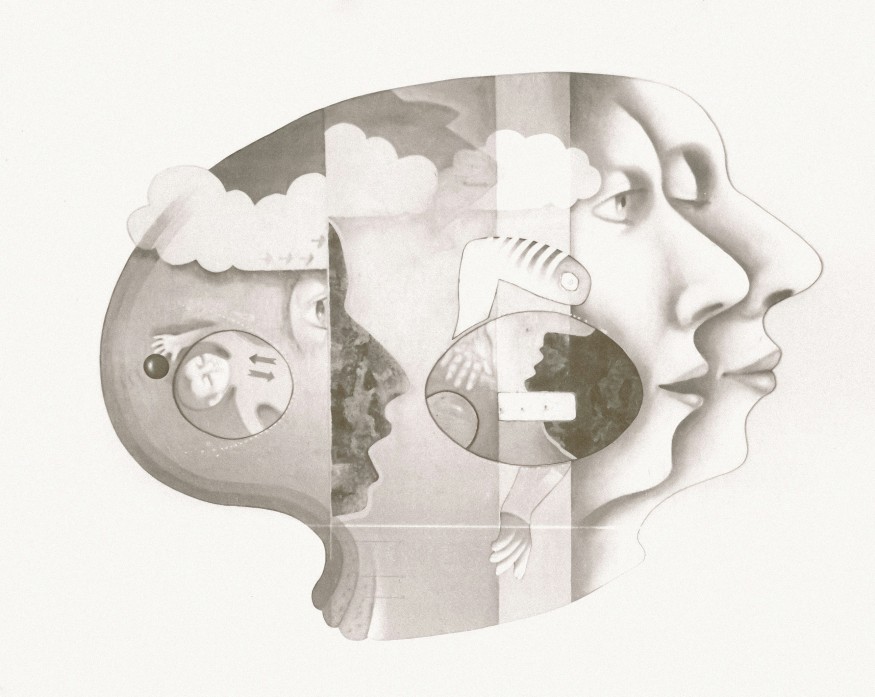
Cognitive behavioral therapyoffers a practical path for addressing unhelpful thought patterns and behaviors that fuel emotional distress. This structured method equips individuals with skills to navigate anxiety, depression, and other challenges by focusing on the present rather than distant past events.
Cognitive Behavioral Therapy
Cognitive behavioral therapy, often shortened to CBT, emerged in the 1960s when psychologist Aaron Beck noticed patients frequently distorted their own thoughts in ways that worsened their moods. Unlike traditional talk therapy that delves deeply into childhood experiences, cognitive behavioral therapy zeroes in on current problems and how thoughts influence emotions and actions. It views psychological issues as learned behaviors that can be unlearned through targeted practice.
At its core, cognitive behavioral therapy rests on the idea that thoughts, feelings, and behaviors interconnect tightly. A single negative thought—like "I'll never succeed"—can trigger anxiety, leading to avoidance behaviors that reinforce the belief. Therapists guide clients to identify these cycles and interrupt them. Sessions usually run 45 to 60 minutes weekly, spanning 12 to 20 weeks, making it time-limited and goal-driven. Clients receive homework, such as tracking daily moods, to build momentum between visits.
This approach draws from both cognitive theory, which examines mental processes, and behavioral theory, which emphasizes observable actions. Evidence from decades of research supports its use across ages and cultures, from children facing school stress to adults managing work pressure. Cognitive behavioral therapy empowers people by teaching self-reliance, so skills persist long after therapy ends. CAMH outlines how it shifts focus to practical change.
How Cognitive Behavioral Therapy Works?
Cognitive behavioral therapy unfolds in phases, starting with assessment where therapists and clients map out specific issues. Together, they pinpoint automatic thoughts—quick, often irrational ideas that pop up during stress. For instance, someone afraid of social rejection might think, "Everyone judges me," even without evidence. The therapist then teaches tools to challenge these distortions.
One key step involves thought records, simple worksheets where individuals log situations, emotions, evidence for and against a thought, and balanced alternatives. Over time, this practice rewires the brain's habitual responses. Behavioral experiments follow, where clients test predictions in real life. If procrastination stems from fear of criticism, they might share a small idea at work and note the actual outcome versus the feared one.
Therapists foster a collaborative environment, treating thoughts as testable hypotheses rather than absolute truths. Progress builds gradually as clients notice mood lifts from small shifts. Online versions, like apps or telehealth, make cognitive behavioral therapy accessible, especially in remote areas. Verywell Mind details these core mechanisms.
Exposure techniques play a role too, gradually facing fears to diminish their intensity. Relaxation skills, such as deep breathing or progressive muscle relaxation, pair with cognitive work to manage physical symptoms of anxiety. By session's end, most people report clearer thinking and fewer emotional spirals. Wikipedia provides a broad historical context on its evolution.
What Is CBT Used For?
Cognitive behavioral therapy tackles a wide array of mental health concerns, proving versatile beyond initial depression and anxiety applications. It helps with generalized anxiety disorder by dismantling worry loops, teaching people to postpone "worry time" to a set slot daily. For obsessive-compulsive disorder, it combines exposure with response prevention, where individuals resist rituals after triggering thoughts.
Post-traumatic stress disorder benefits from trauma-focused cognitive behavioral therapy, which processes memories without reliving them fully. Insomnia responds well to its sleep hygiene protocols, like restricting bed use to sleep only. Even physical conditions, such as chronic pain or irritable bowel syndrome, improve as cognitive behavioral therapy reduces pain-focused rumination.
Eating disorders, phobias, and bipolar maintenance fall under its scope too. In children, it adapts playful elements, like games for emotion identification. Couples use it to reframe communication breakdowns. Healthline lists common applications effectively.
Group formats amplify support, while self-help books extend reach for mild cases. During the COVID-19 era, demand surged for its quick results amid isolation. Substance use disorders pair it with motivational interviewing for relapse prevention. Its adaptability keeps it relevant, with ongoing studies exploring ADHD and schizophrenia adjuncts.
Main Techniques in Cognitive Behavioral Therapy
Cognitive behavioral therapy employs straightforward, evidence-backed methods anyone can learn with guidance.
- Cognitive restructuring targets distorted thinking by listing evidence against self-defeating beliefs, fostering realistic outlooks.
- Behavioral activation combats low motivation by scheduling pleasurable or mastery-building activities, breaking depression's inertia.
- Exposure therapy builds tolerance to feared stimuli step-by-step, from imagining a scenario to full confrontation.
- Socratic questioning prompts self-discovery, with therapists asking, "What proof supports that idea?" to uncover assumptions.
Journaling reinforces daily practice, while mindfulness integration quiets overactive minds. Role-playing hones social skills, and problem-solving frameworks break overwhelming issues into steps: define, brainstorm, choose, act, review. These tools overlap, creating a toolkit for lifelong use. Britannica highlights practical guides to these methods.
CBT Effectiveness and Limits
Research consistently shows cognitive behavioral therapy outperforms waitlist controls and matches antidepressants for mild to moderate depression, with relapse rates under 20% at one year. Meta-analyses confirm 50-75% response rates for anxiety disorders. Its skill-building nature explains durability, unlike symptom-focused meds.
Brain imaging reveals changes in amygdala activity post-treatment, mirroring meditation effects. Cost-effectiveness shines, as shorter duration cuts expenses. NHS resources affirm self-help techniques.
Drawbacks exist: homework demands commitment, potentially overwhelming during crises. It assumes thoughts drive emotions, which doesn't fit everyone, like those with severe trauma needing stabilization first. Cultural mismatches arise if examples ignore diverse backgrounds. Not an ideal standalone for psychosis or personality disorders requiring longer insight work.
Access barriers persist, though apps like MoodKit bridge gaps. Success hinges on therapist-client fit and motivation.
CBT Benefits Worth Considering
Individuals often find cognitive behavioral therapy unlocks clearer decision-making and steadier emotions amid life's pressures. Its emphasis on actionable steps makes real differences that endure.
Source:
- CAMH: Practical overview of CBT principles and applications
- Wikipedia: Historical context and core framework
- Healthline: Techniques and conditions treated
- Beck Institute: Evidence-based foundational model
Frequently Asked Questions
1. What is cognitive behavioral therapy used for?
Cognitive behavioral therapy treats depression, anxiety, PTSD, OCD, insomnia, and eating disorders by targeting thought patterns that worsen symptoms. It also aids chronic pain and relationship issues through practical skill-building.
2. How long does cognitive behavioral therapy take?
Most cognitive behavioral therapy courses last 12-20 weekly sessions of 45-60 minutes each, though some needs extend to 6 months. Progress often shows within 4-8 weeks with consistent homework.
3. Can you do cognitive behavioral therapy on your own?
Self-guided cognitive behavioral therapy works via apps, workbooks, or online programs for mild issues, using thought diaries and behavioral experiments. Professional guidance yields better results for moderate to severe cases.
4. What are the 5 steps of cognitive behavioral therapy?
The core steps include identifying problems, spotting negative thoughts, challenging distortions with evidence, testing new behaviors, and practicing skills daily. This cycle repeats for sustained change.
5. What is the success rate of cognitive behavioral therapy?
Cognitive behavioral therapy achieves 50-75% improvement rates for anxiety and depression, often matching medications with fewer relapses due to learned tools.
6. Is cognitive behavioral therapy better than medication?
Cognitive behavioral therapy often equals or surpasses meds for anxiety and mild depression, especially long-term, as it builds independence. Combining both boosts outcomes for severe cases.