
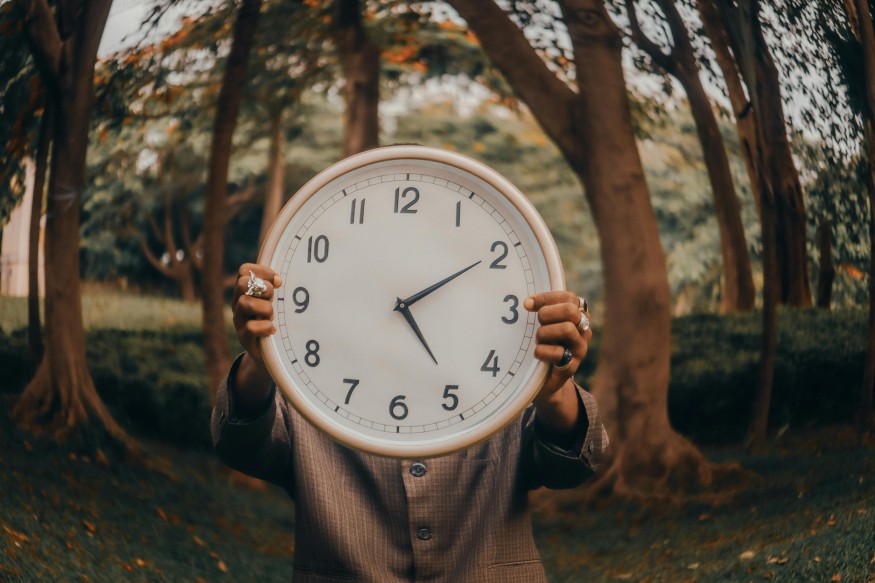
Some people naturally wake up energized before sunrise, while others feel most productive late at night. Scientists say these differences are connected to a person's chronotype, which influences when the body naturally prefers to sleep and wake.
The growing discussion around night owls vs early birds has led researchers to study how sleep timing affects productivity, mood, and overall health. Studies on chronotype and sleep patterns show that biology, lifestyle, age, and environment all play a role in shaping sleep habits.
What Is a Chronotype?
A chronotype is the body's natural preference for sleep and activity timing. It is closely linked to the circadian rhythm, the internal clock that regulates the sleep-wake cycle over 24 hours.
Most people fall into three main categories:
- Early birds or morning types
- Night owls or evening types
- Intermediate types somewhere in between
Morning people tend to feel alert earlier in the day and sleepy earlier at night. Night owls usually feel more energetic during the evening and may struggle with early wake-up schedules.
According to experts interviewed by Live Science, chronotypes are influenced heavily by biology rather than simple preference.
Circadian Rhythm and Health
The circadian rhythm controls more than sleep. It also affects:
- Hormones
- Body temperature
- Mood
- Energy levels
- Mental performance
Light exposure is one of the biggest factors affecting this system. Sunlight helps the brain stay alert, while darkness signals the release of melatonin, the hormone that promotes sleep.
Research on circadian rhythm and health has linked disrupted sleep schedules to several issues, including:
- Fatigue
- Stress
- Anxiety and depression
- Poor concentration
- Metabolic problems
- Cardiovascular risk
A report from Harvard Medical School researchers noted that genetics strongly influence how a person's internal clock functions.
Night Owls vs Early Birds
The differences between night owls vs early birds extend beyond bedtime preferences.
Early Birds Often:
- Wake up easily
- Feel productive in the morning
- Prefer structured routines
- Sleep earlier at night
Night Owls Often:
- Feel more alert late in the evening
- Stay awake naturally at night
- Struggle with early alarms
- Feel productive later in the day
Researchers say modern schedules tend to favor early birds because schools and workplaces usually start early. This can create "social jet lag" for night owls when their biological rhythm conflicts with daily responsibilities.
Some studies also suggest night owls may perform better on certain cognitive tasks later in the day, including memory and reasoning activities.
Genetics of Sleep Chronotype
Scientists believe genetics of sleep chronotype plays a major role in determining whether someone naturally prefers mornings or evenings.
Large studies have identified hundreds of gene variations connected to circadian rhythm regulation and sleep timing. These genes affect how the body responds to light and manages hormone release.
Researchers from the Max Planck Institute explain that sleep timing is shaped by both inherited biology and environmental factors.
Other influences include:
- Screen exposure before bed
- Work schedules
- Stress levels
- Lifestyle habits
- Age
Teenagers and young adults are more likely to become evening types, while older adults often shift toward earlier sleep schedules.
Are Night Owls Less Healthy?
Research on chronotype and sleep patterns suggests evening chronotypes may face additional health risks, especially when they constantly lose sleep because of early obligations.
Some studies have linked night owls to:
- Poor sleep quality
- Increased stress
- Higher risk of obesity
- Depression and anxiety
- Greater cardiovascular risk
Recent findings discussed by Live Science also noted that evening types may have poorer heart health outcomes compared to morning types.
However, researchers stress that waking up early does not automatically make someone healthier. Sleep quality and consistency matter more than simply being an early riser.
Can You Change Your Sleep Pattern?
Experts say chronotypes are somewhat flexible, although biology still matters.
People trying to shift their sleep schedule may benefit from:
- Maintaining consistent sleep times
- Getting morning sunlight exposure
- Reducing screen use before bed
- Avoiding caffeine late at night
- Exercising regularly
Morning sunlight is especially important because it helps reset the body's internal clock.
Why Sleep Timing Matters
Modern lifestyles often disrupt natural sleep biology through artificial lighting, smartphones, and irregular schedules. As researchers continue studying circadian rhythm and health, many experts believe flexible schedules may help reduce sleep deprivation for people with different chronotypes.
Rather than treating one chronotype as better than another, scientists increasingly view night owls and early birds as normal biological variations.
Understanding Your Natural Sleep Rhythm
Research on night owls vs early birds shows that sleep timing is influenced by biology, environment, and daily habits. Studies involving the genetics of sleep chronotype suggest that many sleep preferences are inherited, while lifestyle factors can still shape overall sleep quality.
For many people, the healthiest approach may be finding a routine that supports both quality sleep and their body's natural circadian rhythm instead of forcing schedules that constantly conflict with their biology.
Frequently Asked Questions
1. What is a chronotype?
A chronotype is the body's natural tendency to sleep and wake at certain times during the day.
2. Is being a night owl genetic?
Research suggests genetics strongly influence sleep timing and circadian rhythm preferences.
3. Are night owls unhealthy?
Not necessarily, but studies suggest night owls may face higher health risks when their schedules lead to chronic sleep deprivation.
4. Can someone become an early bird?
Sleep schedules can shift gradually through lifestyle changes, although natural biology still plays an important role.