
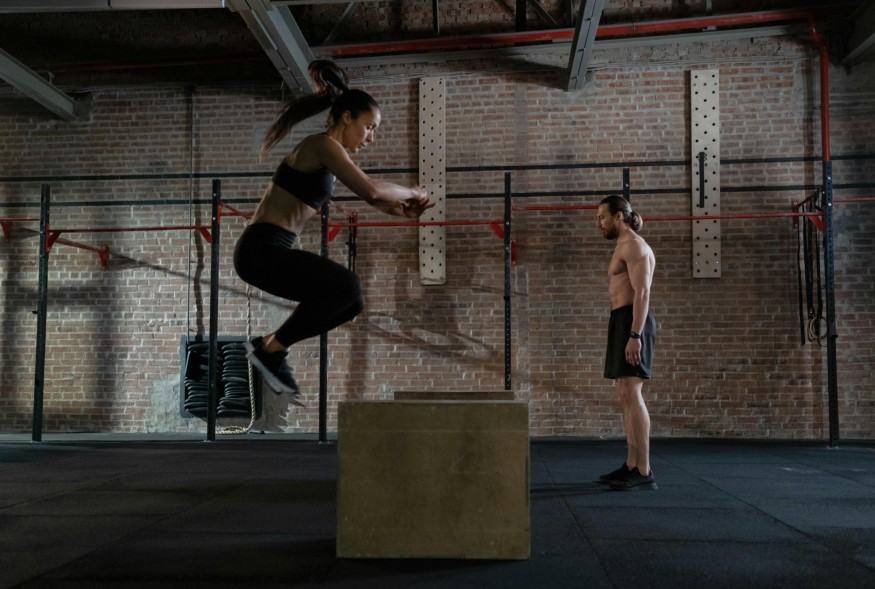
Plyometric exercises have become a major part of modern fitness and sports conditioning because they focus on explosive movement, speed, and coordination. Athletes across basketball, soccer, football, volleyball, and track regularly use Plyometric Power Training to improve jumping ability, sprint acceleration, and overall athletic performance training results. Even recreational fitness enthusiasts are now adding plyo workouts into their weekly routines to build strength and increase calorie burn.
What Is Plyometric Power Training?
Plyometric Power Training is a form of exercise that uses explosive movements to increase speed and force production. These exercises rely on the stretch-shortening cycle, where muscles rapidly stretch before immediately contracting. This quick transition helps create powerful athletic movement.
For example, during a box jump, the leg muscles first load as the body bends downward before exploding upward onto the platform. This combination of strength and speed makes plyometric exercises highly effective for athletic performance training.
According to the National Strength and Conditioning Association, properly designed plyometric programs may help improve:
- Vertical jump height
- Sprint speed
- Agility and coordination
- Reaction time
- Overall lower-body power
Sports medicine researchers from institutions like the Mayo Clinichave also discussed how explosive exercises can support fitness and movement efficiency when performed with proper safety guidelines.
Why Plyo Workouts Are Popular
Plyo workouts are widely used because they combine cardiovascular conditioning with explosive strength training. Unlike steady-state exercises, plyometrics challenge the body with fast bursts of movement that demand both muscular power and endurance.
Improved Explosive Strength
Exercises such as broad jumps and box jumps help activate fast-twitch muscle fibers responsible for rapid force production. These fibers are essential for sprinting, jumping, and sudden directional changes.
Better Athletic Performance Training
Athletes often include plyometric drills to improve game-related movements. Basketball players use them to increase vertical jump height, while soccer players may use them for sprint acceleration and agility.
Increased Calorie Burn
Plyometric sessions are intense and fast-paced, which can elevate heart rate quickly. Some trainers incorporate plyo workouts into high-intensity interval training routines for conditioning and fat loss support.
Enhanced Coordination and Balance
Because explosive exercises require body control during takeoff and landing, many plyometric drills may help improve balance and movement efficiency over time.
Box Jumps and Their Benefits
Box jumps remain one of the most recognized plyometric exercises. They involve jumping onto a raised platform while maintaining balance and soft landing mechanics.
Fitness coaches often recommend box jumps because they help develop:
- Lower-body explosive power
- Jumping coordination
- Core stability
- Athletic movement efficiency
However, experts consistently warn that box jumps should be performed with proper form. Poor landing technique or using boxes that are too high can increase injury risks.
Safe Box Jump Tips
- Start with a lower platform height
- Land softly with bent knees
- Keep the chest upright during takeoff
- Avoid rushing repetitions
- Step down carefully instead of repeatedly jumping down
Beginners often benefit from practicing squat jumps before progressing to higher box jumps.
Popular Plyometric Exercises for Beginners and Athletes
Plyometric workouts can be adjusted for different skill levels and goals. Some exercises focus on lower-body power, while others train upper-body explosiveness.
Lower-Body Plyometric Exercises
- Box jumps
- Jump squats
- Broad jumps
- Split squat jumps
- Lateral hops
Upper-Body Plyometric Exercises
- Clap push-ups
- Medicine ball chest passes
- Explosive push-ups
Full-Body Plyo Workouts
Many athletic performance training programs combine several explosive drills into circuits to improve both power and conditioning.
For beginners, experts often recommend starting with lower-impact exercises before progressing to advanced reactive drills.
Why Jump Training Safety Matters
Plyometric exercises involve repeated impact forces that can stress joints, tendons, and connective tissues. Without proper preparation, excessive volume or poor technique may increase the risk of injury.
The American Council on Exercise has highlighted the importance of proper warm-ups, recovery, and progression during explosive training programs.
Warm Up Before Plyo Workouts
Dynamic warm-ups help prepare muscles and joints for explosive movement. Common warm-up exercises include:
- Walking lunges
- High knees
- Leg swings
- Bodyweight squats
Choose the Right Training Surface
Hard concrete surfaces can increase impact stress on the knees and ankles. Many trainers recommend using gym flooring, turf, or shock-absorbing surfaces.
Focus on Recovery
Plyometric Power Training places significant stress on the nervous system and muscles. Rest days help the body recover and adapt to the workload.
Watch for Overtraining Symptoms
Signs of excessive plyometric training may include:
- Persistent soreness
- Knee pain
- Fatigue
- Declining athletic performance
Reducing training volume and improving recovery habits can help minimize long-term problems.
How Often Should Plyometric Training Be Done?
Training frequency often depends on fitness level and athletic goals. Many coaches recommend limiting high-intensity plyometric sessions to a few times per week.
General recommendations include:
- Beginners: 1–2 sessions weekly
- Intermediate athletes: 2–3 sessions weekly
- Advanced athletes: Up to 4 sessions with structured recovery
Combining plyo workouts with strength training may also help improve muscular balance and reduce injury risk.
Common Plyometric Training Mistakes
Several mistakes can reduce the effectiveness of plyometric exercises or increase injury risk.
Skipping Proper Technique
Explosive exercises require controlled movement patterns. Rushing into advanced drills without mastering basic mechanics may lead to poor landing habits.
Using Too Much Volume
Performing excessive jumps in a single session can overload joints and connective tissues.
Ignoring Recovery
Athletic performance training depends on recovery as much as exercise intensity.
Progressing Too Quickly
Advanced drills such as depth jumps should only be introduced after developing adequate strength and coordination.
Sports That Benefit From Plyometric Power Training
Plyometric exercises are widely used across sports because explosive movement is essential in competition.
Basketball
Box jumps and vertical jump drills may help improve rebounding and jumping ability.
Soccer
Plyo workouts can support acceleration, agility, and quick directional changes.
Volleyball
Explosive jump training helps players improve blocking and spiking movements.
Track and Field
Sprinters and jumpers frequently use plyometric exercises to increase power output and reaction speed.
Even general fitness enthusiasts may benefit from improved coordination, conditioning, and lower-body strength.
Building Explosive Strength Safely
Plyometric Power Training continues to gain attention because it combines explosive strength, conditioning, and athletic movement into one training method. Properly designed plyo workouts may improve speed, agility, coordination, and overall athletic performance training results.
At the same time, jump training safety remains essential for long-term success. Gradual progression, proper recovery, and controlled exercise technique help reduce injury risks while improving movement efficiency. Whether someone is performing beginner squat jumps or advanced box jumps, consistent and structured training usually delivers the safest and most effective results.
Frequently Asked Questions
1. What are plyo workouts best used for?
Plyo workouts are commonly used to improve explosive power, sprint speed, agility, and jumping ability. Many athletes include them in athletic performance training programs.
2. Are box jumps safe for beginners?
Box jumps can be safe for beginners when performed with proper technique and lower box heights. Coaches often recommend learning landing mechanics first.
3. How long does it take to see results from Plyometric Power Training?
Some people notice improvements in coordination and explosiveness within several weeks, although consistent training is usually needed for significant performance gains.