
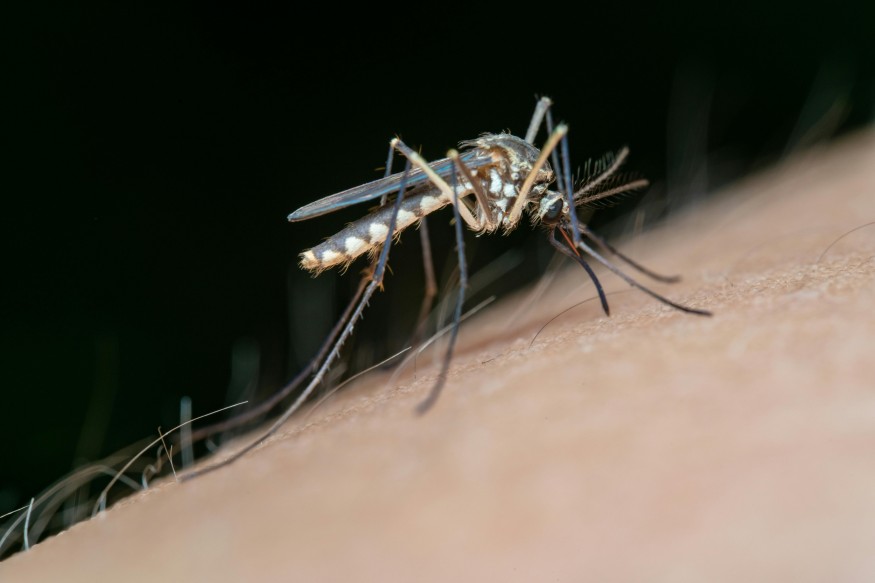
Malaria remains one of the most widespread mosquito-borne diseases in the world. Although modern medicine has improved survival rates, malaria still affects millions of people every year, especially in tropical and subtropical regions. Understanding malaria symptoms, malaria treatment, and malaria prevention is important for travelers, healthcare workers, and communities living in high-risk areas.
Malaria is caused by parasites that spread through the bites of infected female Anopheles mosquitoes. Once the parasites enter the bloodstream, they travel to the liver and later infect red blood cells, leading to fever and other serious health complications.
According to the World Health Organization (WHO), malaria continues to be a major public health concern globally, particularly in parts of Africa and South Asia.
What Is Malaria and How Does It Spread?
Malaria is a parasitic disease rather than a viral or bacterial infection. Five different parasite species can infect humans, but Plasmodium falciparum is considered the deadliest. The disease spreads primarily through mosquito bites, but there are also rare forms of transmission, including:
- Blood transfusions
- Shared needles
- Organ transplants
- Transmission during pregnancy
Malaria cannot spread through casual contact, coughing, or touching another person. The Mayo Clinic explains that malaria parasites enter the body through the bloodstream and multiply inside the liver before infecting red blood cells. This process leads to many of the classic malaria symptoms people experience.
Environmental conditions also play a major role in malaria outbreaks. Warm temperatures, humidity, and standing water create ideal breeding conditions for mosquitoes. Areas with poor sanitation and limited healthcare access often face higher infection rates.
Malaria Symptoms Can Quickly Become Serious
One reason malaria is dangerous is that early malaria symptoms often resemble the flu or other viral illnesses. Symptoms usually appear within 10 to 15 days after infection, although some forms of malaria can remain dormant for months. Common malaria symptoms include:
- Fever
- Chills
- Sweating
- Headaches
- Muscle pain
- Fatigue
- Nausea and vomiting
- Diarrhea
Many patients experience waves of symptoms known as malaria attacks. These episodes often follow a recognizable cycle:
- Severe chills and shaking
- High fever
- Heavy sweating
- Extreme tiredness afterward
Severe malaria symptoms may develop if treatment is delayed. These can include:
- Confusion
- Difficulty breathing
- Seizures
- Severe anemia
- Kidney failure
- Coma
Children under five, pregnant women, older adults, and individuals with weakened immune systems face the highest risk of severe complications.
The Centers for Disease Control and Prevention (CDC) warns that travelers returning from high-risk regions should seek medical attention immediately if they develop fever or flu-like symptoms. Early diagnosis can make a major difference in recovery outcomes.
Malaria Treatment Depends on Fast Diagnosis
Prompt malaria treatment is essential because the disease can progress rapidly. Doctors usually confirm infection using blood tests that identify the malaria parasites in red blood cells.
Several factors influence malaria treatment decisions:
- The parasite species involved
- Severity of infection
- Patient age and health condition
- Geographic region where infection occurred
- Local drug resistance patterns
Common medications used in malaria treatment include:
- Artemisinin-based combination therapies (ACTs)
- Chloroquine
- Quinine
- Mefloquine
- Atovaquone-proguanil
The World Health Organization recommends ACTs as the primary treatment for many malaria infections because they remain highly effective against several parasite strains.
However, drug-resistant malaria has become a growing concern in some parts of the world. Certain parasites no longer respond well to older medications, making accurate diagnosis even more important.
Severe malaria cases often require hospitalization and supportive care such as:
- Intravenous medication
- Oxygen therapy
- Fluids and electrolyte management
- Monitoring for organ complications
Some malaria species, especially Plasmodium vivax and Plasmodium ovale, can remain inactive in the liver and reactivate months later. Doctors may prescribe additional medication to reduce the risk of relapse.
The Mayo Clinic also notes that completing the full course of malaria treatment is important even if symptoms improve early. Stopping medication too soon may allow parasites to survive and return.
Malaria Prevention Is the Most Effective Protection
Because malaria can become life-threatening quickly, prevention remains one of the best defenses against infection. Public health organizations continue to focus heavily on malaria prevention programs worldwide. Simple daily precautions can significantly reduce the risk of mosquito bites:
- Using insect repellents
- Sleeping under insecticide-treated mosquito nets
- Wearing long sleeves and long pants
- Staying in screened or air-conditioned buildings
- Avoiding outdoor exposure during peak mosquito activity
Mosquitoes that carry malaria are usually most active between dusk and dawn. Travelers visiting malaria-endemic areas are often advised to take preventive medication before and during their trip. The recommended medication depends on:
- Destination
- Length of travel
- Drug resistance in the area
- Medical history
- Age and pregnancy status
Community-wide malaria prevention efforts also play a major role in reducing infections. These programs may include:
- Indoor insecticide spraying
- Mosquito breeding control
- Public education campaigns
- Access to rapid testing
- Distribution of mosquito nets
Recent advances in malaria vaccines have also provided new hope. Some countries have introduced vaccines for young children in high-risk regions as part of larger malaria prevention strategies.
Researchers continue working on improved vaccines, mosquito-control technologies, and treatments that can help reduce global malaria cases over time.
Why Global Malaria Awareness Still Matters
Although malaria is preventable and treatable, it continues to place enormous pressure on healthcare systems in many countries. Climate conditions, poverty, limited healthcare access, and drug resistance all contribute to the ongoing spread of the disease.
International organizations such as WHO and UNICEF continue supporting malaria prevention campaigns, research programs, and treatment access initiatives. Increased awareness about malaria symptoms and early medical care can help reduce severe complications and save lives.
Understanding how malaria spreads, recognizing early symptoms, and following proper malaria prevention strategies remain important steps in controlling this disease globally.
Frequently Asked Questions
1. What are the first malaria symptoms?
Early malaria symptoms often include fever, chills, sweating, headaches, fatigue, and muscle aches. Many people initially mistake malaria for the flu because the symptoms can appear similar.
2. Can malaria be cured completely?
Yes, many forms of malaria can be cured with proper malaria treatment. However, some parasite species may remain dormant in the liver and later reactivate if additional medication is not used.
3. How can travelers prevent malaria?
Travelers can reduce their risk by using insect repellents, sleeping under mosquito nets, wearing protective clothing, and taking preventive medication recommended by healthcare professionals.