
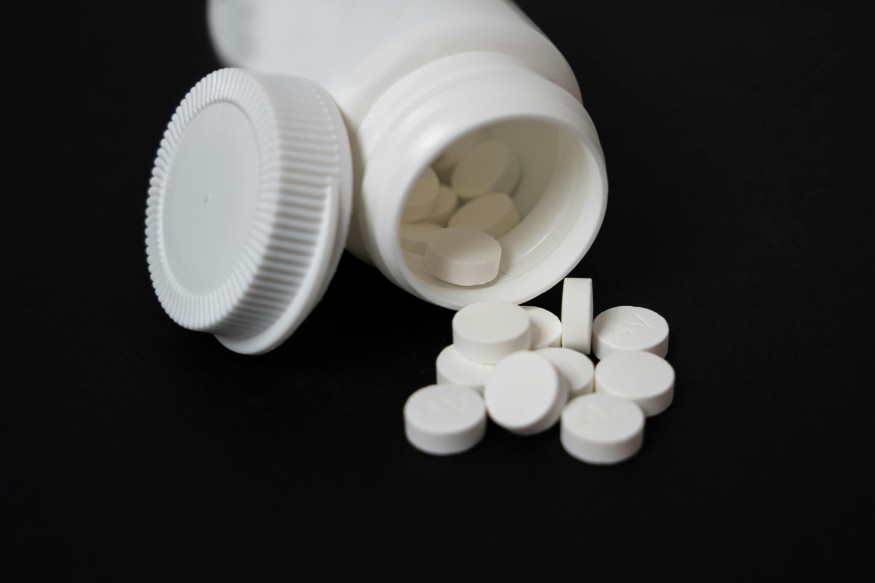
Ritalin, or methylphenidate, helps many people with ADHD sharpen their focus amid daily distractions. This detailed guide dives into Ritalin ADHD focus strategies, stimulant ADHD meds options, Ritalin vs Adderall differences, and complementary focus enhancers for better results.
Unpacking Ritalin ADHD Focus
Ritalin targets the brain's dopamine and norepinephrine systems, key players in attention and impulse control for those with ADHD. People often notice a calmer mind and longer attention spans within 30 minutes of taking it, turning chaotic thoughts into productive flow. Oxford CBT notes how this stimulant reshapes daily challenges into manageable tasks for kids and adults alike.
Immediate-release Ritalin lasts 3-4 hours, perfect for school mornings or quick work sessions. Extended-release versions stretch coverage to 8-12 hours, smoothing out the day without constant redosing. Users describe it as flipping a switch—sudden clarity amid fog.
Benefits extend beyond basics:
- Improved task completion rates by 70-80% in studies.
- Better emotional regulation during high-stress moments.
- Enhanced working memory for juggling multiple responsibilities.
Doctors emphasize starting low, around 5-10mg, and titrating up based on response. Pairing it with behavioral therapy amplifies long-term gains, as meds alone handle symptoms but not root skills.
Stimulant ADHD Meds Essentials
Stimulant ADHD meds like Ritalin lead to ADHD treatment because they directly boost underactive brain signals. Methylphenidate options, including Ritalin and Concerta, block neurotransmitter reuptake for quick focus lifts. Amphetamine-based ones follow closely, but the choice hinges on individual chemistry.
WebMD outlines how these meds normalize prefrontal cortex activity, the hub for planning and focus. Most people respond well, with 75% seeing symptom relief. Short-acting forms suit flexibility; long-acting ones fit structured schedules.
Key types include:
- Methylphenidate (Ritalin, Metadate)—faster onset, shorter peak.
- Amphetamines (Adderall, Vyvanse)—smoother duration, broader effects.
- Mixed options for tailored needs.
Dosing starts small to minimize side effects like appetite dips or sleep shifts. Regular check-ins track growth in children or tolerance in adults. Lifestyle factors—sleep, diet—play huge roles in keeping efficacy high over time.
Ritalin vs Adderall: Core Differences
Ritalin and Adderall both tackle ADHD but hit differently, influencing user preference. Ritalin delivers a sharp, immediate boost ideal for bursts of concentration, fading predictably. Adderall provides even-keeled energy over longer stretches, better for all-day demands.
Medical News Today breaks down their profiles: Ritalin peaks quicker (20-60 minutes) but lasts less (3-4 hours immediate-release), while Adderall's extended form covers 10-12 hours with fewer ups and downs. Side effects overlap—insomnia, dry mouth—but Adderall edges toward jitteriness for some.
Core differences include:
- Active Ingredient: Ritalin uses methylphenidate; Adderall relies on mixed amphetamines.
- Onset: Ritalin starts in 20-60 minutes; Adderall takes 30-60 minutes.
- Duration (IR/ER): Ritalin offers 3-4 / 8-12 hours; Adderall provides 4-6 / 10-12 hours.
- Feel: Ritalin gives punchy focus; Adderall delivers steady drive.
- Best Scenario: Ritalin suits short tasks and kids; Adderall fits full days and adults.
About half switch meds if one underperforms, as brain responses vary. Heart monitoring matters for both, especially with family history. Trial periods reveal the winner for Ritalin ADHD focus needs.
Dosage, Sides, and Smart Use
Safe Ritalin use hinges on precise dosing—5mg twice daily for kids, 10-20mg for adults, maxing at 60mg extended-release. Swallow whole with food to ease stomach issues; avoid afternoons to protect sleep. Providers adjust weekly, watching for plateaus.
Common side effects hit early:
- Reduced appetite (track weight weekly).
- Mild headaches or anxiety (hydrate, dose early).
- Rebound hyperactivity as it wears off.
Rare risks include heart strain or tics, prompting immediate pauses. Kids need height checks; most rebound post-treatment. Non-stimulants like Strattera fill gaps for poor responders.
Natural Focus Enhancers Pairing
Focus enhancers beyond meds add layers to Ritalin ADHD focus without overload. Omega-3s from fish oil support brain cell health, easing inflammation tied to ADHD. L-theanine, found in green tea, smooths stimulant edges for jitter-free calm.
Effective non-med options:
- Exercise: 30 minutes daily boosts dopamine naturally.
- B-vitamins: Power neurotransmitter production.
- Mindfulness apps: Build focus muscles over weeks.
Caffeine stacking works cautiously—small doses enhance but excess amplifies sides. Sleep hygiene trumps all; 8 hours recharge medical potency. These tools create a holistic edge, sustaining gains long-term.
Boosting Concentration: Long-Term Strategies
Ritalin shines short-term, but pairing with habits cements Ritalin ADHD focus. Brain scans from University of Maryland research show it normalizes ADHD-specific activity patterns, paving skill-building. Therapy teaches coping sans meds.
Daily tactics include:
- Pomodoro timers for 25-minute bursts.
- Distraction-free zones during peak hours.
- Journaling responses to refine stimulant ADHD meds timing.
Exploring Ritalin vs Adderall iteratively matches brain quirks. Natural focus enhancers bridge gaps, especially off-meds. Consistent routines turn temporary boosts into lasting control.
Maximizing Ritalin ADHD Focus Daily
Ritalin ADHD focus thrives with structure—morning doses align with peak demands, stimulant ADHD meds tracking apps log moods and efficacy. Weighing Ritalin vs Adderall keeps options open amid changes like stress or age. Layering focus enhancers builds resilience, ensuring steady progress without burnout. Track patterns, tweak openly with doctors, and watch concentration solidify over months.
Frequently Asked Questions
1. What is Ritalin used for?
Ritalin treats ADHD symptoms like inattention, hyperactivity, and impulsivity in children and adults. It also helps with narcolepsy by promoting wakefulness. Doctors prescribe it when behavioral strategies alone fall short.
2. How does Ritalin work for ADHD focus?
Ritalin blocks the reuptake of dopamine and norepinephrine, increasing their levels in the brain's prefrontal cortex. This sharpens Ritalin ADHD focus, calms mental chatter, and improves executive function within 20-60 minutes.
3. What are stimulant ADHD meds?
Stimulant ADHD meds, such as Ritalin and Adderall, boost neurotransmitter activity to normalize brain signaling in ADHD. They work for 70-80% of users, coming in immediate-release (short-acting) or extended-release forms for all-day coverage.