
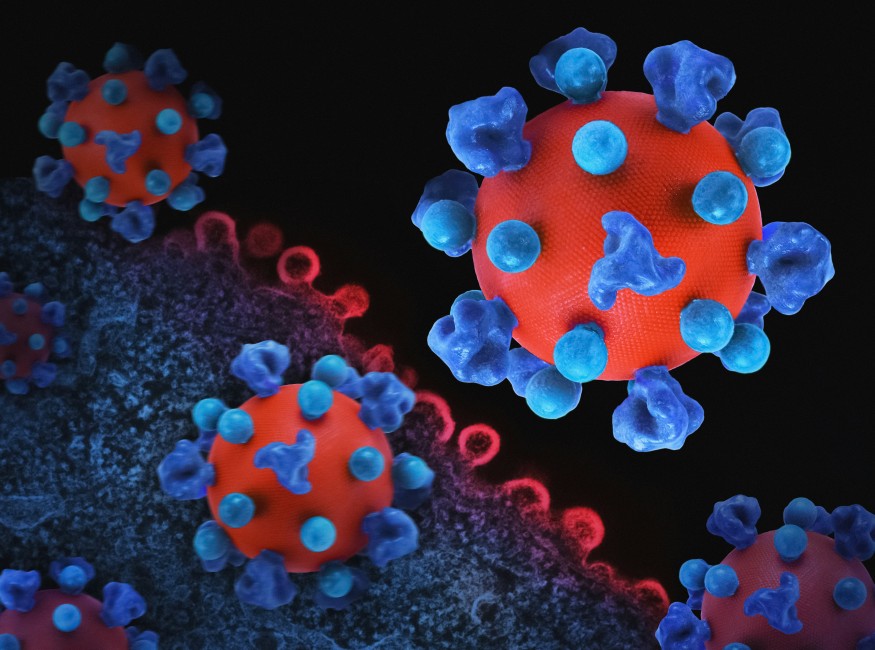
COVID-19 variants continue to emerge as the virus adapts through natural coronavirus mutations. These genetic changes can influence how easily the virus spreads, how severe symptoms become, and how well vaccines or prior immunity hold up. As new COVID strains circulate globally, understanding what makes them different helps individuals make informed health decisions.
While many variants share a common origin, subtle spike protein changes can significantly impact transmissibility and immune escape. Health agencies track these shifts closely, identifying patterns in infection waves and vaccine performance. Knowing how COVID-19 variants evolve provides clarity in a landscape that continues to change.
COVID-19 Variants and Spike Protein Mutations
COVID-19 variants are primarily defined by changes in the spike protein, particularly within the receptor-binding domain (RBD) that attaches to human ACE2 cells. According to the World Health Organization (WHO), variants are classified based on transmissibility, disease severity, and impact on public health measures, including vaccines and treatments. Spike mutations can enhance viral attachment, increase immune evasion, or improve replication efficiency.
Recent COVID strains such as XFG and NB.1.8.1, descendants of the Omicron lineage, illustrate how small RBD mutations can improve spread without dramatically increasing severity. Mutations like R346T, K444T, and E484A alter antibody recognition sites, allowing partial immune escape while maintaining generally mild upper respiratory symptoms. Although these strains may cause breakthrough infections, vaccine protection against severe disease largely remains intact.
The BA.2.86 lineage demonstrated how evolutionary jumps can occur, carrying more than 30 spike mutations compared to earlier Omicron strains. Such changes raised concerns about transmissibility and immune escape, but widespread severe outcomes did not follow at the levels seen in earlier Delta waves. Coronavirus mutations accumulate naturally as the virus replicates, and most changes either fade out or compete with fitter strains.
Coronavirus Mutations and Their Impact on Transmission and Severity
Coronavirus mutations happen because SARS-CoV-2 is an RNA virus, and RNA replication naturally introduces copying errors. Based on information from the Centers for Disease Control and Prevention (CDC), viral mutations may affect how easily the virus spreads, the severity of illness, and the effectiveness of vaccines or treatments. Mutations that improve binding to ACE2 receptors can increase transmissibility, especially in crowded indoor environments.
Earlier COVID strains such as Alpha and Delta were associated with higher hospitalization rates, partly due to mutations that enhanced lower respiratory tract infection. In contrast, many Omicron-related variants replicate more efficiently in the upper airway, contributing to faster spread but often milder lung involvement. This shift in viral behavior reflects how evolutionary pressures favor transmission advantages over increased lethality.
Changes in the S1/S2 furin cleavage site also influence how efficiently the virus enters cells. Some mutations may heighten replication speed, while others adjust immune recognition. However, severity is not determined by mutations alone; population immunity from vaccination and prior infection plays a major role in shaping outcomes across waves.
Vaccines continue to evolve alongside circulating strains. Updated formulations targeting recent Omicron lineages help restore waning antibody protection and maintain strong defense against hospitalization and death. Even when breakthrough infections occur, vaccinated individuals generally experience shorter illness duration and reduced complications.
COVID Strains Monitoring, Surveillance, and Protection Strategies
COVID strains are monitored through global genomic surveillance networks that analyze viral samples for emerging patterns. According to the European Centre for Disease Prevention and Control (ECDC), genomic sequencing enables early detection of variants that may alter transmissibility, severity, or immune escape. This coordinated monitoring supports timely public health responses.
Scientists use databases such as GISAID and wastewater sequencing programs to track coronavirus mutations in communities before clinical cases surge. When a variant demonstrates significant growth advantage or immune escape characteristics, agencies may designate it as a Variant of Concern (VOC) or Variant Under Monitoring (VUM). These classifications help governments and healthcare systems adjust recommendations.
Layered protection remains central in managing evolving COVID-19 variants. Vaccination and booster doses provide strong protection against severe disease. Good ventilation, testing when symptomatic, and antiviral treatments such as Paxlovid further reduce hospitalization risk. As variants change, these strategies remain adaptable tools rather than fixed rules.
Incubation periods for recent Omicron subvariants typically range between six to eight days, often shorter than earlier strains. Symptoms commonly center on sore throat, congestion, fatigue, and mild fever. Even with milder average outcomes, high transmission rates can still impact vulnerable populations, reinforcing the importance of preventive measures.
Why Understanding COVID-19 Variants Matters for Public Health
Staying informed about COVID-19 variants empowers individuals to interpret headlines and public health updates more clearly. Not every new strain signals a crisis, but monitoring coronavirus mutations helps scientists anticipate shifts in transmission or immune escape. Awareness also supports informed decisions about vaccination timing and protective behaviors.
Public health strategies evolve alongside the virus. By understanding how COVID strains differ and why some dominate circulation, communities can respond proportionally rather than reactively. Knowledge reduces uncertainty and strengthens preparedness for whatever direction the virus takes next.
Staying Ahead of COVID-19 Variants in a Changing Landscape
COVID-19 variants will continue to emerge as long as the virus circulates globally. While coronavirus mutations can alter transmission patterns, widespread immunity and updated vaccines have reduced the severity seen in earlier pandemic waves. Monitoring, vaccination, and adaptive public health strategies remain essential tools in protecting physical health.
Understanding how COVID strains differ—from spike mutations to immune escape—provides context rather than alarm. As science refines vaccines and treatments, the focus shifts from crisis response to sustainable management. Staying informed and maintaining preventive habits ensures communities remain resilient in the face of ongoing viral evolution.
Frequently Asked Questions
1. What causes COVID-19 variants to form?
COVID-19 variants form due to coronavirus mutations that occur when the virus replicates. RNA viruses naturally accumulate small copying errors during replication. Some mutations have no effect, while others may influence transmissibility or immune escape. Variants that gain an advantage in spreading tend to become dominant.
2. Are new COVID strains more dangerous?
Not necessarily. Some earlier strains like Delta were associated with more severe disease, but many recent Omicron subvariants cause milder symptoms on average. Severity depends on both viral mutations and population immunity levels. Vaccination significantly reduces the risk of severe outcomes.
3. Do vaccines still work against COVID-19 variants?
Yes, vaccines continue to protect strongly against severe illness, hospitalization, and death. Updated boosters are designed to match circulating variants more closely. While breakthrough infections can happen, vaccinated individuals usually recover faster. Immunity from vaccination and prior infection also supports broader protection.
4. How are COVID-19 variants detected?
Variants are detected through genomic sequencing of virus samples collected from patients and wastewater systems. Scientists compare genetic changes to identify emerging patterns. Health organizations classify variants based on transmission, severity, and vaccine impact. Continuous monitoring helps guide public health decisions
Originally published on Medical Daily