
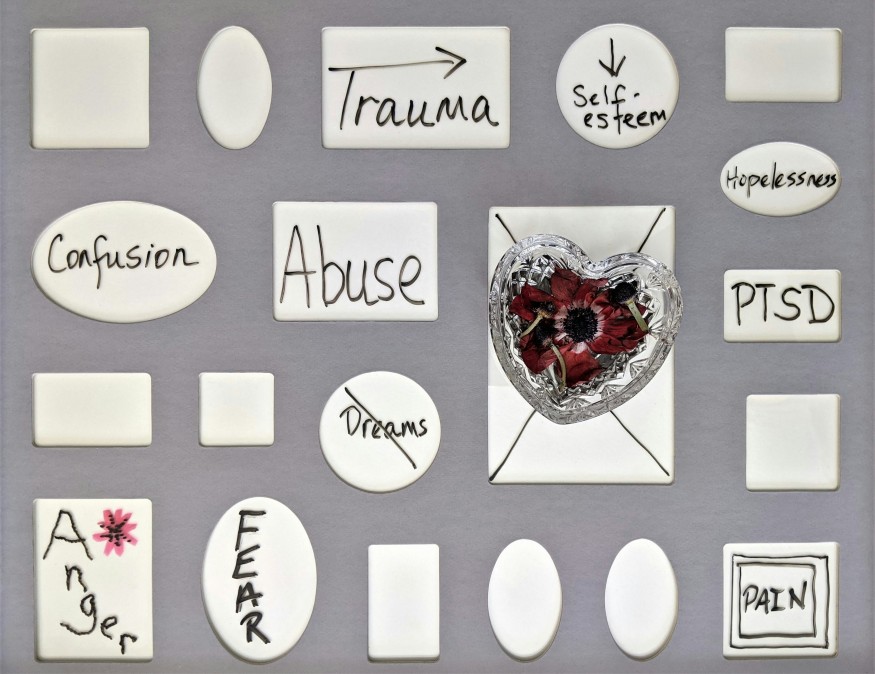
Healing from trauma demands patient, structured efforts that honor the body's natural recovery rhythms. People navigating trauma therapy, PTSD recovery, and emotional trauma healing discover that clear steps build resilience and open doors to joy. This guide outlines practical paths forward, grounded in established practices.
Understanding Trauma Types
Trauma disrupts life in subtle and profound ways, often lingering beyond the initial event. Acute trauma arises from a single incident, like a car accident or assault, sparking immediate shock and fear. Chronic or complex trauma, however, stems from repeated exposure—think childhood neglect or ongoing abuse—embedding patterns that affect self-worth and relationships.
Emotional trauma healing begins by naming these experiences without judgment. The brain's amygdala, wired for survival, overreacts long after danger passes, leading to fight, flight, or freeze responses in everyday situations. Recognizing whether trauma feels "big T" (life-threatening) or "little t" (cumulative emotional wounds) helps tailor approaches.
This distinction matters in PTSD recovery, where symptoms vary by trauma type. Studies from the National Institute of Mental Health highlight how complex trauma often involves dissociation, unlike the flashbacks common in acute cases. Individuals benefit from self-reflection tools, like journaling prompts: "What events still tighten my chest?" Such awareness sets the stage for targeted trauma therapy.
Recognizing PTSD Symptoms
Spotting PTSD symptoms early transforms overwhelm into actionable insight.
- Intrusive thoughts replay events unbidden, such as flashbacks or nightmares.
- Avoidance behaviors steer clear of people, places, or conversations linked to the trauma.
- Hyperarousal manifests as irritability, sleep disturbances, or constant scanning for threats.
- Negative mood changes include persistent guilt, shame, or emotional numbness.
- Detachment from family and friends, plus loss of interest in once-enjoyed activities.
- Memory gaps around the event, alongside difficulty feeling positive emotions.
In emotional trauma healing, these signs signal the nervous system's protective mode, not personal weakness. The DSM-5 outlines four symptom clusters: intrusion, avoidance, negative mood changes, and arousal—all persisting beyond a month to warrant PTSD diagnosis. Daily checklists help track patterns—rate anxiety from 1-10 after triggers or note nightmare frequency. This data empowers discussions with professionals during PTSD recovery. Bessel van der Kolk's book "The Body Keeps the Score" underscores how trauma lives in sensations, not just memories, urging attention to physical cues like tension or fatigue.
Building a Safety Foundation
Safety anchors every step of trauma therapy, creating a stable base before diving deeper. The nervous system, stuck in high alert, needs reassurance through predictable routines. Start with physical safety: lock doors, choose quiet spaces, surround yourself with trusted objects like a weighted blanket.
Grounding exercises pull focus to the now—name five things you see, four you touch, three you hear, two you smell, one you taste. This 5-4-3-2-1 method interrupts dissociation, a common PTSD hurdle. Breathwork follows: inhale for four counts, hold four, exhale six, repeating until calm settles.
Emotional safety involves boundaries, like limiting news intake or saying no to draining interactions. In emotional trauma healing, this foundation prevents re-traumatization. Pete Walker's work on complex PTSD emphasizes "inner safety" through self-compassion phrases: "This feeling will pass; I am safe now." Consistent practice rewires threat detection, freeing energy for growth.
Effective Trauma Therapy Options
Trauma therapy offers proven tools to process pain without reliving it fully.
- Eye Movement Desensitization and Reprocessing (EMDR) pairs bilateral stimulation—side-to-side eye movements or taps—with memory recall, reducing emotional charge. Sessions typically span eight phases, from history-taking to closure, yielding relief in 6-12 meetings for many.
- Cognitive Processing Therapy (CPT) challenges stuck beliefs, like "The world is always dangerous," through written accounts and Socratic dialogue.
- Somatic Experiencing tracks body sensations to discharge pent-up energy, preventing symptom buildup.
- Prolonged Exposure gradually faces fears in safe doses, shrinking avoidance's grip during PTSD recovery.
Therapists select based on needs—EMDR for vivid flashbacks, somatic for physical symptoms. Group formats add validation, hearing others' stories normalize isolation. The Substance Abuse and Mental Health Services Administration (SAMHSA) outlines these as gold standards, noting 60-80% symptom reduction rates. Matching modality to lifestyle ensures adherence.
Practicing Daily Self-Care
Self-care sustains emotional trauma healing, bridging therapy sessions with everyday empowerment. Mindfulness meditation, even five minutes daily, observes thoughts like passing clouds, lessening their power. Apps guide beginners, focusing on body scans to reconnect with numb areas.
Movement heals silently—yoga poses like a child's pose release stored trauma from hips and shoulders. Walking in nature boosts serotonin, countering depression's fog. Nutrition plays a role: omega-3s from fish or walnuts support brain repair, while stable blood sugar curbs mood swings.
Journaling captures wins, like "Today, I laughed at a meme," rebuilding joy pathways. Sleep hygiene—dim lights pre-bed, no screens—repairs neural circuits frayed by PTSD. Hydration and herbal teas soothe the vagus nerve, promoting calm. These habits compound, turning survival into thriving over months.
Stages of PTSD Recovery
PTSD recovery progresses through distinct stages, each building on the last.
- Impact Stage: Emergency response hits, with shock, denial, and survival mode dominating right after the event.
- Stabilization (or Immediate Recovery): Safety tools and symptom management take priority, often with professional intervention.
- Intermediate Recovery: Functioning improves; work or school resumes with coping skills and new relationships forming.
- Integration (or Transition): Full reconnection happens, weaving trauma into a meaningful narrative with renewed purpose and joy.
Recovery pace differs for everyone—some feel steadier within a year, others take more time amid ups and downs. Noticeable changes include full nights of sleep or handling crowds without panic. Setbacks happen; treat them as signals to adjust, not proof of failure.
Finding Professional Support
The right therapist can make PTSD recovery feel less isolating, like having a steady guide. Search directories such as Psychology Today for those trained in trauma work. In the first meeting, ask straight up: "What's your experience with cases like mine?"
Join NAMI support groups or online communities for real stories from others in the thick of it—no pressure to share. A psychiatrist might suggest SSRIs if anxiety tags along. Check EAP benefits through work or local low-cost clinics to keep costs down.
For specifics, look at EMDRIA certification if EMDR interests you, or your state's licensing board. Online sessions work well if travel's tough, keeping progress steady from home.
Practices for Lasting PTSD Recovery
Trauma therapy, PTSD recovery, and emotional trauma healing converge in daily commitment. Experiment with outlined steps, adjusting for personal rhythms. Consult experts like those citing van der Kolk or SAMHSA for tailored paths. Progress unfolds uniquely, revealing joy's quiet return through persistence.
Frequently Asked Questions
1. What is the first step in PTSD recovery?
Safety comes first—build a stable foundation with grounding techniques and routines to calm the nervous system before deeper emotional work.
2. How long does emotional trauma healing take?
Timelines vary widely; some notice shifts in months with consistent trauma therapy, while complex cases span years, depending on support and practices.
3. Can I heal from trauma without therapy?
Self-care like journaling and mindfulness helps, but professional trauma therapy accelerates PTSD recovery and prevents setbacks for most people.