
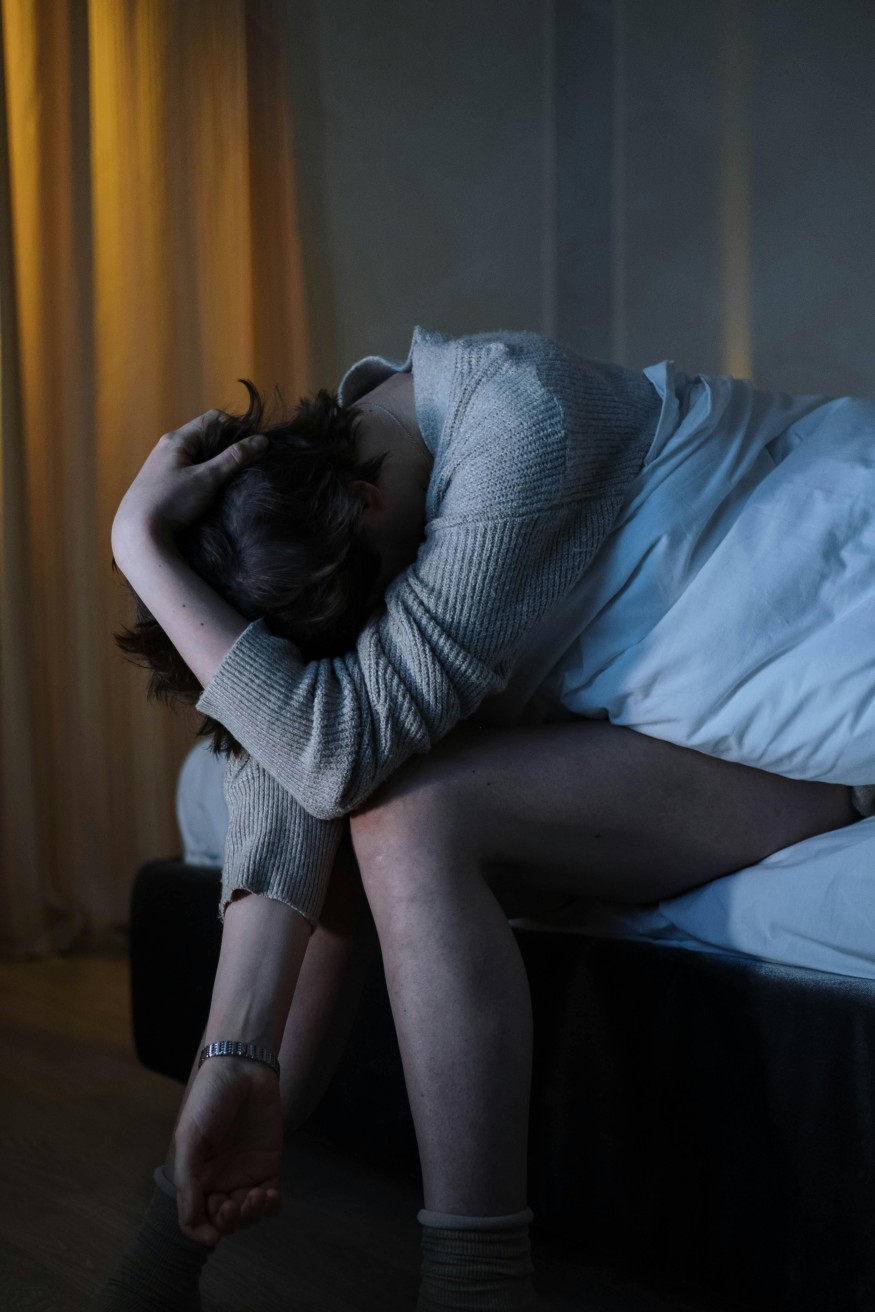
Many encounter a familiar knot in their stomach as Sunday fades into evening, signaling the return to work routines. Sunday night anxiety grips countless individuals, deeply intertwined with work stress psychology that amplifies weekend-to-weekday transitions.
What Triggers Sunday Night Anxiety?
Sunday night anxiety or "Sunday scaries" often emerges from the brain's natural response to impending structure after days of freedom. People replay Monday meetings or unfinished emails, sparking a cycle rooted in work stress psychology. This anticipatory dread peaks because the mind struggles to shift gears from relaxation to responsibility.
The phenomenon affects professionals across fields, from office workers to freelancers. Surveys indicate up to 80% of adults feel it at some point, with intensity varying by job demands. Remote setups exacerbate this, as home offices erase clear boundaries between personal and professional time.
Biological factors play a role too. Cortisol, the stress hormone, surges in anticipation of challenges, mimicking fight-or-flight responses. Evolutionarily, this prepared humans for threats, but modern work stress psychology channels it toward deadlines instead. Evening news or social media scrolls about economic pressures can worsen the buildup.
Therapy Group of DC notes how these scaries stem from poor work-life separation, a common thread in today's always-on culture. People fixate on "what ifs," like project failures or tough conversations, turning a calm evening into mental turmoil.
Why Do People Dread Sundays Before Work?
People feel anxious on Sunday before work due to unresolved tasks lingering from Friday. Work stress psychology highlights how incomplete to-do lists create rumination, where thoughts loop endlessly without resolution. This mental rehearsal drains energy before the week even starts.
Lifestyle habits contribute significantly. Late-weekend indulgences, like heavy meals or alcohol, disrupt sleep cycles, leaving individuals groggy and vulnerable. The stark contrast between spontaneous weekend plans and regimented weekdays jars the psyche, fostering unease.
Social dynamics add layers. Family obligations or social events wind down, leaving solitude to confront work realities. For parents juggling childcare and careers, this overlap intensifies Sunday night anxiety. Younger generations, like Gen Z, report higher rates, linking it to entry-level job uncertainties and social media comparisons.
Phoenix Pointe Psychiatry discusses the rise of these feelings amid post-pandemic shifts, where hybrid work blurred recovery time. External stressors, such as inflation or layoffs, heighten baseline worry, making Sunday evenings a focal point for broader anxieties.
Psychologically, it's tied to loss aversion—dreading the end of leisure more than embracing productivity. Cognitive behavioral patterns reinforce this; repeated experiences train the brain to expect dread, creating a self-fulfilling prophecy.
Read Also: Unlocking True ADHD Potential: Do Medications Really Boost Focus, Productivity, and Everyday Wins?
Symptoms and Signs of Sunday Night Anxiety
Common symptoms of Sunday night anxiety include racing thoughts that prevent relaxation. Individuals toss in bed, mind buzzing with work scenarios, leading to insomnia. Physical manifestations follow: tight chest, headaches, or nausea from adrenaline spikes.
Irritability surfaces too, straining interactions with loved ones. Some experience appetite changes, skipping dinner or overeating comfort foods. Fatigue sets in paradoxically, as mental exhaustion mimics physical tiredness without rest.
Work stress psychology frames these as somatic responses, where emotional strain manifests bodily. Prolonged scrolling on phones amplifies doom-scrolling, feeding negative loops. Heart palpitations or shallow breathing signal acute episodes, sometimes mistaken for health issues. Newport Institute points out how Gen Z ties these to burnout, with symptoms like procrastination or detachment signaling deeper malaise. Early detection matters; mild signs respond to habits, while severe ones disrupt daily life.
Emotional flatness rounds out the picture—weekend joy evaporates, replaced by dread. This emotional whiplash underscores why Sunday night anxiety feels so pervasive.
Strategies to Manage Sunday Night Anxiety
Easing Sunday night anxiety starts with a "brain dump" Friday afternoon. Jot down Monday tasks, freeing mental space for the weekend. This simple work stress psychology hack reduces cognitive load, proven to lower cortisol.
Establish wind-down rituals, like dimming lights or reading fiction an hour before bed. Avoid screens; blue light suppresses melatonin, worsening sleep. Gentle exercise, such as yoga, releases endorphins, countering stress buildup.
Prep the night before: lay out clothes, pack lunches, or review calendars briefly. Boundaries matter—mute work notifications post-6 PM. Sunday meal prepping ensures smooth mornings, minimizing chaos triggers.
Mindfulness practices ground the present. Five-minute breathing exercises interrupt rumination. Journaling gratitude shifts focus from dread to positives, rewiring neural pathways over time.
For chronic cases, therapy unpacks root causes. Cognitive behavioral therapy (CBT) challenges distorted thoughts, like catastrophizing minor tasks. Lifestyle audits reveal patterns, such as overcommitting, fueling work stress psychology cycles.
Social support helps; share feelings with friends who relate. Weekend planning with buffers—leaving unstructured time—prevents burnout. Hydration and balanced nutrition stabilize mood, as dehydration mimics anxiety.
- Brain Dump: Clears mental clutter—do it Friday, review Sunday.
- Evening Ritual: Promotes relaxation—no screens after 8 PM.
- Physical Activity: Boosts endorphins—try a 20-minute walk.
- Boundary Setting: Protects downtime—work email off-limits.
Long-Term Ways to Break the Cycle
- Building resilience against Sunday night anxiety requires addressing work stress psychology at its core. Advocate for better boundaries at work, like "no meetings Mondays" to ease re-entry. Career reflection identifies misalignments causing chronic dread.
- Sleep hygiene transforms recovery. Consistent bedtimes align circadian rhythms, reducing vulnerability. Nutritionists recommend magnesium-rich foods, like nuts, to calm nerves naturally.
- Community involvement distracts positively—volunteering Sundays fosters purpose beyond work. Hobbies reignite passion, reminding people life extends past desks. Tracking moods via apps reveals triggers, empowering adjustments.
- Professional help shines for persistent issues. Therapists specializing in work stress psychology offer tools like exposure techniques, gradually desensitizing to Monday fears. Medication serves as a bridge for severe anxiety, under guidance.
Employers contribute through wellness programs, acknowledging sunday night anxiety's toll on productivity. Flexible hours or mental health days normalize recovery.
Turning Sunday Dreads into Weekly Wins
People reclaim Sundays by integrating these habits, diminishing Sunday night anxiety's hold through intentional work stress psychology shifts. Consistent effort fosters calm anticipation, enhancing overall well-being and performance. Sustainable changes turn fleeting relief into lasting ease, empowering smoother transitions ahead.
Frequently Asked Questions
1. What exactly is Sunday night anxiety?
Sunday night anxiety refers to the unease or dread that builds as the weekend ends, often linked to upcoming work demands and work stress psychology. It typically peaks Sunday evening, disrupting relaxation and sleep.
2. Why do people feel anxious on Sunday before work?
People experience this due to anticipatory stress over Monday tasks, unfinished work, or routine shifts from freedom to structure. Work stress psychology plays a role, as the brain rehearses potential challenges, spiking cortisol.
3. What are common symptoms of Sunday night anxiety?
Symptoms include racing thoughts, insomnia, irritability, headaches, tight muscles, and low mood. Physical signs like nausea or restlessness stem from the body's stress response to impending work pressures.