
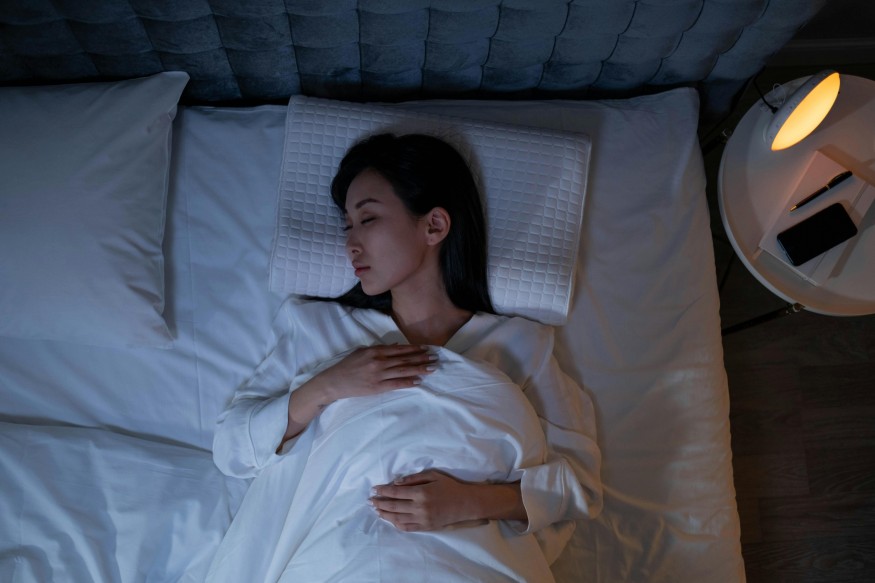
Sleep quietly anchors emotional balance for millions. Yet when nights shrink below seven hours, mental health frays and emotional regulation buckles under pressure. Countless studies draw straight lines from restless sleep to surging irritability, deepening anxiety, and erratic moods. This article dives into the brain science driving these shifts, maps out the tangible consequences in daily life, and lays out evidence-backed steps to rebuild stability.
Does Lack of Sleep Cause Emotional Instability?
At its core, the brain depends on sleep to manage emotions effectively. REM sleep stages actively process the day's emotional load, weaving experiences into coherent memories. Deep non-REM phases, meanwhile, act like a mental detox, sweeping away stress-linked proteins that build up during waking hours. Disrupt this cycle with deprivation, and the system overloads.
The amygdala, the brain's raw emotion center, goes into overdrive without proper rest. It signals threats at full volume. Meanwhile, the prefrontal cortex—which handles rational overrides and impulse control—powers down. National Sleep Foundation surveys of over 10,000 adults confirm the pattern: those averaging fewer than seven hours nightly score twice as high on irritability metrics compared to well-rested groups.
Hormonal chaos piles on. Cortisol, the stress hormone, spikes unchecked, priming the body for fight-or-flight over calm reasoning. A University of Pennsylvania study tracked drivers after one truncated night; aggressive responses on the road jumped 2.5-fold, with honking and tailgating surging. Emotional regulation evaporates in these moments—minor delays spark outsized rage. Over repeated nights, this erodes mental health safeguards, fostering a baseline of tension that colors interactions and decisions.
How Sleep Shapes Emotions and Mental Health
The fallout spreads wide and strikes swiftly. In the short term, sleep deprivation ignites mood volatility. People find themselves snapping at colleagues over trivial emails or retreating into unexplained sulks with family. Without sleep's reset, serotonin levels—the key mood stabilizer—plunge, creating echoes of clinical depression even in healthy individuals.
Emotional regulation takes the hardest hit. What once felt like a manageable annoyance balloons into a crisis. UC Berkeley researchers used fMRI scans to demonstrate this vividly: after just one sleepless night, participants' brains lit up with double the emotional intensity when viewing neutral images, like a simple landscape. The filter between feeling and reaction simply vanishes.
Anxiety follows close behind. Sleep loss hyperactivates the brain's threat-detection networks, transforming passing worries into relentless loops. Harvard Medical School's longitudinal tracking of insomnia patients reveals a stark truth—chronic short sleep elevates depression risk by ten times, often through this very pathway. Real-world examples abound: shift workers piecing together five hours report 25% higher emotional turbulence, according to CDC health logs. New parents navigating newborn wake-ups endure 60% more household conflicts during peak sleep deprivation phases, straining bonds and amplifying isolation.
Longer-term, these patterns compound into serious mental health territory. Burnout creeps in as emotional reserves drain dry. Relationships suffer from misread cues and withheld empathy. Productivity dips too—deprived teams make 30% more errors in high-stakes tasks, per workplace studies. Sleep emerges not as a luxury, but as foundational infrastructure for mental health and steady emotional regulation.
Practical Steps to Reclaim Emotional Stability
Turning the tide starts with targeted habits that honor sleep's power. Consistency reigns supreme: aim for seven to nine hours by setting fixed bed and wake times, even on weekends. Circadian rhythms lock in, smoothing emotional regulation across days.
Environment tweaks amplify results. Banish screens two hours before bed—their blue light suppresses melatonin by up to 50%, delaying onset. Replace scrolling with journaling; dumping daily stressors onto paper clears mental static, paving the way for deeper rest. Kitchen choices matter—dodge caffeine past noon, as its half-life lingers 8 hours, and favor light evening meals to sidestep digestive disruptions.
Movement fits neatly too. A 20-minute evening walk boosts sleep depth without revving the system, drawing oxygen to brain tissues primed for repair. Mindfulness practices seal the deal: apps deliver guided 10-minute sessions, with JAMA-published trials showing 20% uplifts in overall sleep quality among users.
For entrenched patterns, cognitive behavioral therapy for insomnia (CBT-I) shines. This structured approach, available via apps like Sleepio or in-person clinics, retrains thought loops around sleep, restoring emotional stability in 70% of participants within weeks. Tech aids like the Oura Ring or Fitbit provide granular insights, charting sleep stages against logged moods to pinpoint drag factors.
Layer these intentionally, and transformation unfolds. Rested individuals navigate stressors with poise, their mental health fortified against daily grind.
Build Lasting Mental Health Through Sleep Habits
Sleep forms the bedrock of emotional regulation and mental health. Deprivation dismantles it rapidly, unleashing irritability cascades, anxiety traps, and relational rifts. Science-backed strategies—from rigid schedules to mindful unwinds—reclaim that ground with reliable speed.
Individuals embracing these shifts gain not just hours, but clarity and calm that ripple outward. Pick one habit today; watch stability take root.
Frequently Asked Questions
1. How quickly does lack of sleep affect emotions?
Effects kick in after just 17-24 hours, with irritability and poor focus emerging first. By 48 hours, emotional regulation weakens significantly, leading to exaggerated reactions and anxiety.
2. Can better sleep improve mental health conditions like anxiety?
Yes, consistent 7-9 hours nightly strengthens emotional regulation and reduces anxiety symptoms by up to 30% in studies. It restores brain chemical balance, easing hypervigilance.
3. What's the biggest sign of sleep-related emotional instability?
Mood swings or snapping over small things signal it most. Without enough REM sleep, the brain struggles to process emotions, amplifying frustration.
4. How much sleep do adults really need for emotional balance?
Seven to nine hours supports optimal mental health. Less than six hours doubles risks for poor emotional regulation and mood disorders.