News
/
Physical Wellness
/
Mental Health
/
Science/Tech
/
Drugs/Therapy
/
Conditions
News
Physical Wellness
Mental Health
Science/Tech
Drugs/Therapy
Conditions
Search Here
Search
/
Cognition
/
Memory Declines Faster in Years Closest to Death
Mark Smith
Long Commercials Evoke Stronger Emotions
Staff Reporter
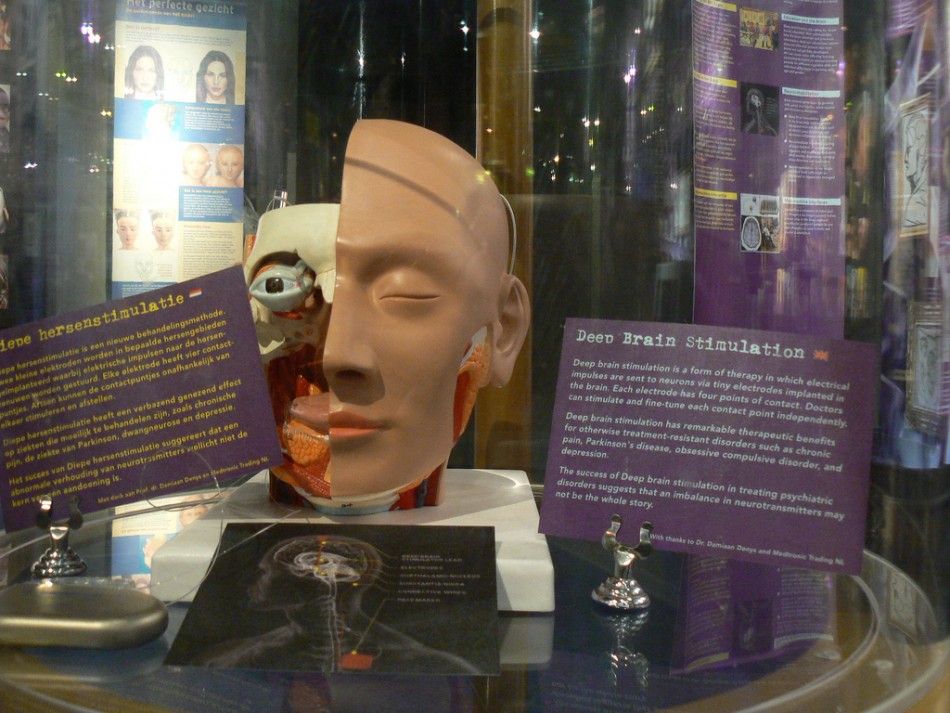
Stimulating the Brain to Improve Speech, Memory, Numerical Abilities
Staff Reporter
Accentuating the Positive Memories for Sleep
Staff Reporter
Finding Reason in Dementia Sufferers' Delusion
Staff Reporter
Methodological Innovation: Science’s Unsung Hero
Staff Reporter
Research Into Children with Autism Published in JoVE
Staff Reporter
Being Bilingual Gives Protection from Dementia
Jennifer Lee
Sleeping Right After Learning Is Beneficial
Jennifer Lee
Advertisement
"Individuals who maintain native-language fluency while also learning English may ...
Staff Reporter
You Have a Gun? You Think Others Have One Too
Jennifer Lee
Bilingual Immigrants Are Healthier
Jennifer Lee
In Recognizing Faces, the Whole is Not Greater Than the Sum of Its Parts
Staff Reporter
Morning-Types Are More Creative in the Evening
Jennifer Lee
Think Fast! Take Risks!
Staff Reporter
1
2
3
4
/
Spotlight
/
Physical Wellness
5 Signs You Need a Water Purification System at Home:
News
New York City’s Deadly Streets Cause Major Trauma for Survivors of Killed Loved Ones
Science/Tech
The Trend of Moissanite Jewelry Is Growing In Popularity
Science/Tech
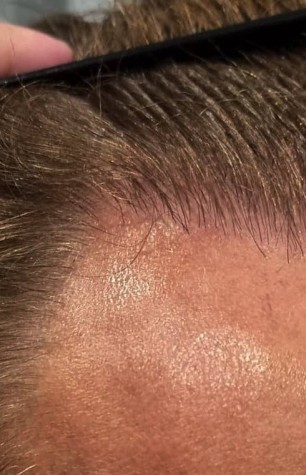
Hair Transplant Turkey Before and After Results